Danish Design and Children’s Identity: Simple Expressions with Big Impact on Personal Style

Danish Design and Children’s Identity: Simple Expressions with Big Impact on Personal Style
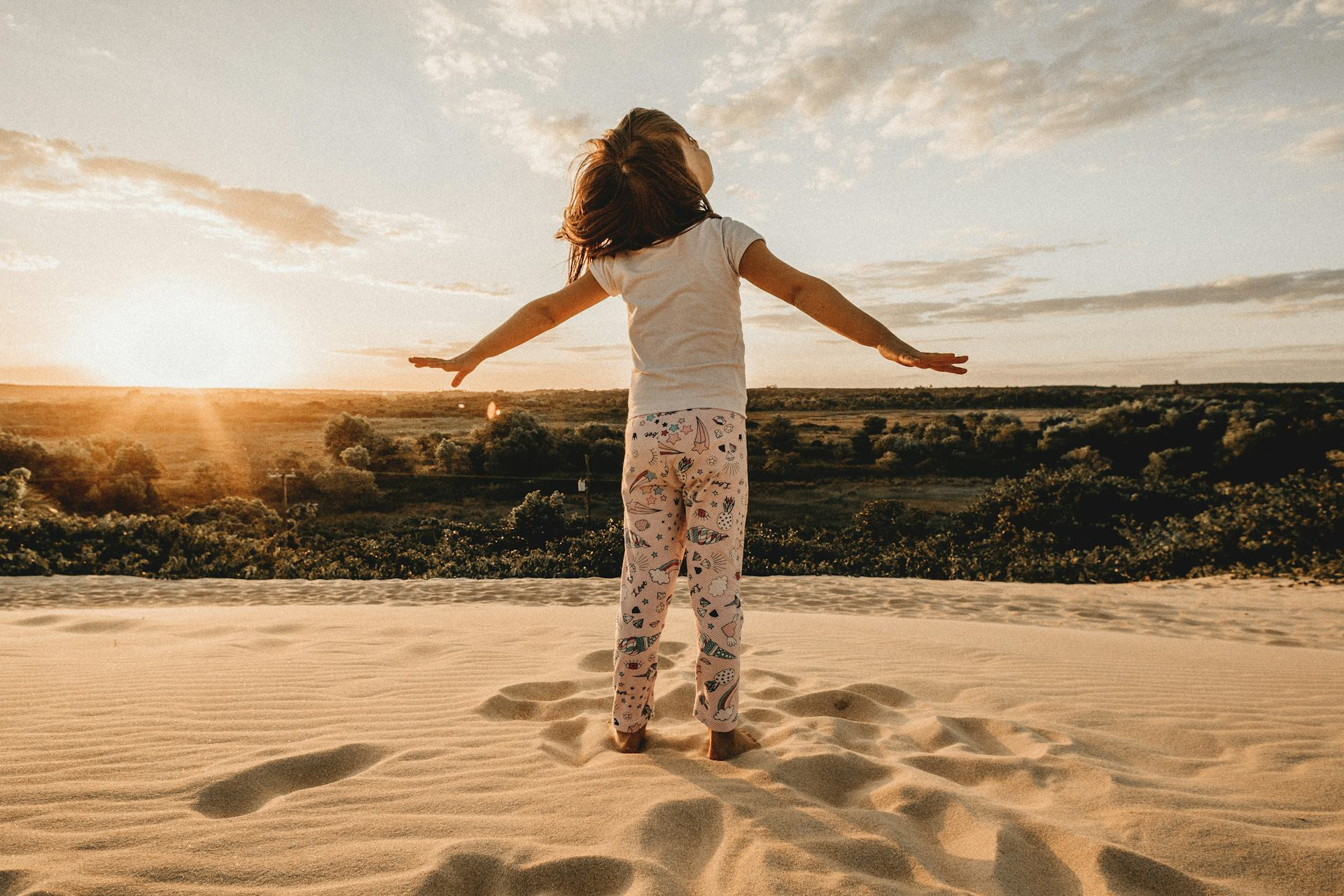
Danish design has long been admired for its simplicity, functionality, and timeless beauty. While many Americans may associate it with sleek furniture or minimalist interiors, the same design philosophy has also shaped children’s fashion in Denmark. Rooted in quality, sustainability, and understated elegance, Danish children’s clothing offers more than just style—it helps shape how kids see themselves and express their individuality.
When Style Becomes Part of Growing Up
Clothing is one of the first ways children learn to express who they are. From choosing a favorite color to insisting on a certain outfit, kids use clothing to communicate personality and mood. In Denmark, where design and aesthetics are part of everyday life, children often grow up surrounded by objects and clothing that emphasize simplicity and authenticity. This environment teaches them to value quality and comfort over flashiness or trends.
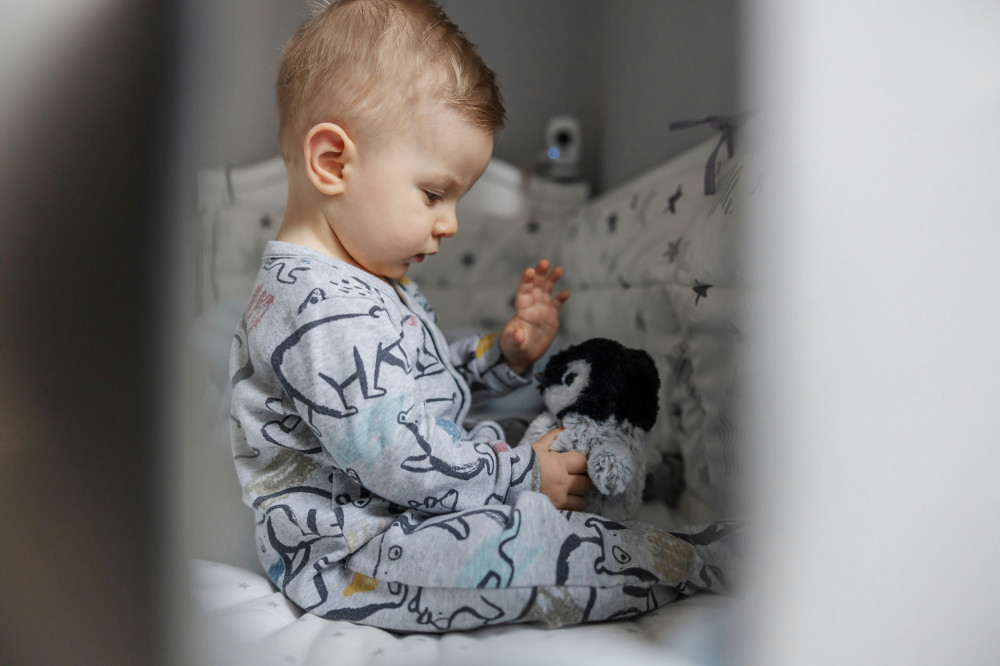
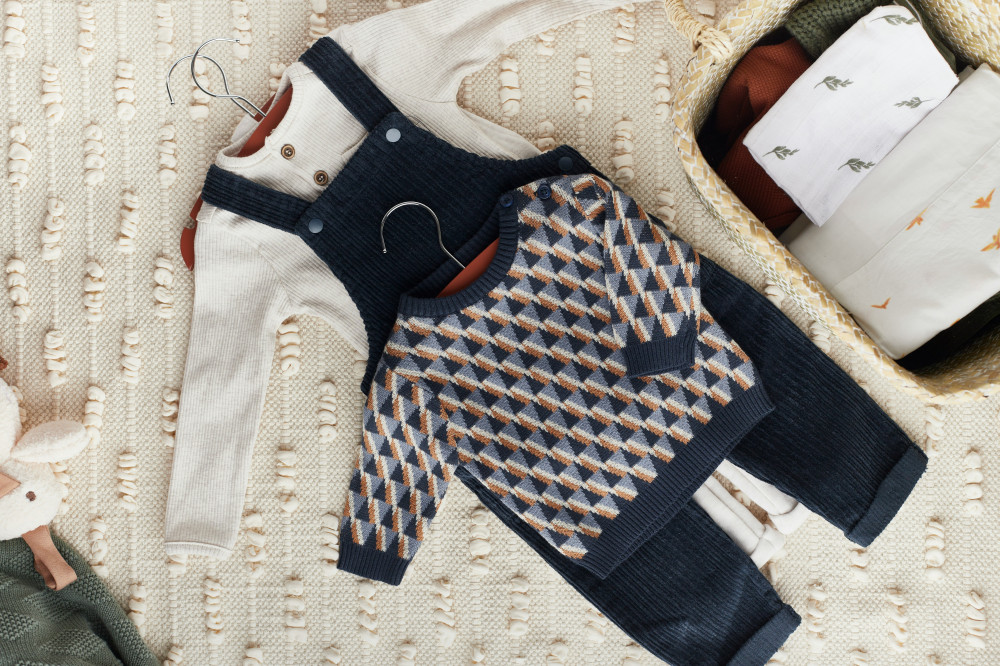
Danish children’s wear is known for its soft tones, clean lines, and natural materials. The look is calm and effortless, allowing kids to move freely and play without restriction. This balance between form and function is at the heart of Danish design—and it’s what makes it so appealing to families who want their children to feel both comfortable and confident.
Læs også:
Quality Over Quantity
In a world dominated by fast fashion, Danish brands stand out for their commitment to durability and sustainability. Many Danish designers embrace the idea that fewer, better pieces create more value—for both the child and the planet. Clothes are made to last, to be passed down between siblings, and to maintain their shape and color after countless washes.
This approach teaches children that clothing isn’t disposable. It becomes part of a story about care, responsibility, and respect for resources. When a child sees that their favorite sweater still looks great after a year—or that their younger brother can wear it next—it reinforces the idea that quality matters more than constant consumption.
Colors, Shapes, and Freedom
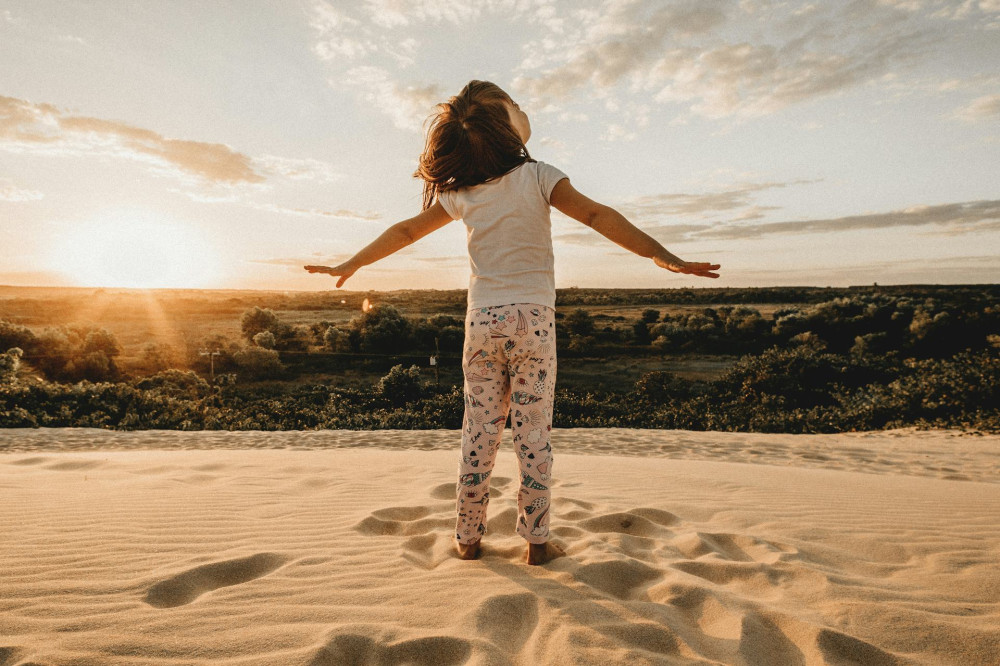
Minimalism doesn’t mean a lack of personality. In fact, the simplicity of Danish design gives children room to express themselves. A neutral base allows for creativity through small details—perhaps a colorful scarf, a patterned pair of socks, or a handmade accessory that reflects their interests.
For many kids, feeling comfortable in their clothes is key to feeling like themselves. Simple, well-made designs provide a sense of security and freedom, encouraging them to explore and develop their own sense of style. It’s a quiet confidence that comes from knowing that self-expression doesn’t have to be loud to be meaningful.
Design as a Way of Life
At its core, Danish design is about creating beauty in everyday life. This philosophy extends beyond clothing to the spaces children grow up in. A child’s room furnished with natural materials, soft colors, and thoughtful details can foster calm and creativity. The same principle applies to what they wear—when clothes are comfortable, functional, and aesthetically pleasing, they become a seamless part of daily life rather than a distraction.
For American families seeking a more mindful approach to children’s fashion, Danish design offers inspiration. It’s about slowing down, choosing well, and valuing the small details that make a big difference.
A Balanced Identity
Danish children’s fashion isn’t about turning kids into mini style icons. It’s about giving them the tools to express themselves authentically and to appreciate the beauty of simplicity. Through design that values quality, comfort, and sustainability, children learn that personal style doesn’t have to follow trends—it can come from within.
As more American parents look for ways to combine aesthetics, ethics, and practicality, the Danish approach offers a refreshing perspective. It reminds us that simplicity can be powerful, and that even the smallest design choices can help shape a child’s sense of identity in meaningful, lasting ways.
Læs også: