The Future of Beauty: Embracing Individuality and Flexibility
The Future of Beauty: Embracing Individuality and Flexibility
Beauty ideals have always evolved, but rarely as rapidly as they do today. Where once fashion magazines and Hollywood defined a single standard of beauty, the future of beauty in the United States is increasingly about freedom, diversity, and self-expression. As technology advances and society becomes more inclusive, we are entering a new era where individuality and flexibility take center stage.
From Standards to Self-Expression
For decades, beauty was tied to rigid norms—specific body types, skin tones, and hair textures were celebrated as the ideal. But in recent years, a powerful shift has taken place. Social media, independent brands, and a growing awareness of representation have challenged the notion that there’s only one way to be beautiful.
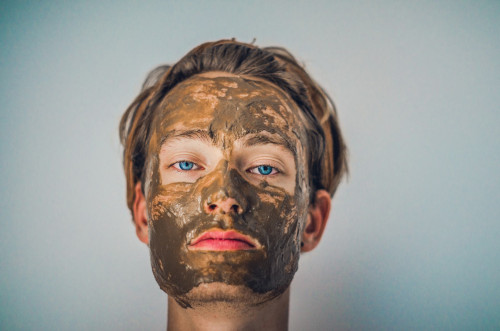
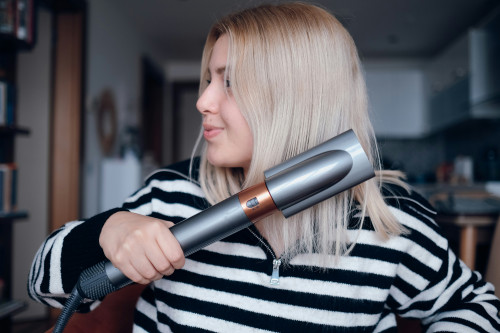
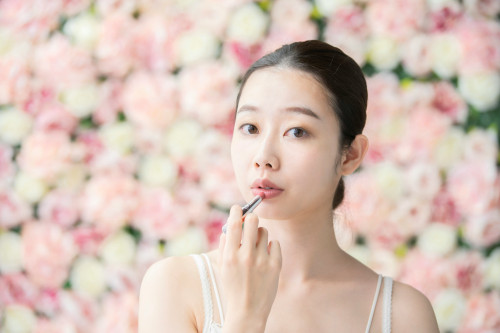
Today, beauty is more about expressing who you are. It might mean embracing natural curls, experimenting with bold colors, or choosing a minimalist look that feels authentic. Makeup is no longer just about covering imperfections—it’s a creative tool for highlighting personality. Hair color isn’t just about hiding grays; it’s a statement of identity.
Technology and Personalization: Beauty on Your Terms
Technology is driving this transformation. Artificial intelligence and data-driven innovation now make it possible to create products tailored to each individual—from skincare that adapts to your environment and lifestyle, to foundations that perfectly match your unique skin tone.
Flexibility has become a key demand. Consumers want products that can adapt to different moods, occasions, and needs: a moisturizer that works in both humid summers and dry winters, or a lipstick that transitions seamlessly from day to night. The future of beauty isn’t about following a strict routine—it’s about having the freedom to choose and change as you please.
Conscious Beauty and Sustainability
Individuality today also extends to values. More Americans are choosing products that reflect their beliefs about health, ethics, and the environment. Clean ingredients, cruelty-free testing, and recyclable packaging are no longer niche—they’re becoming the norm.
This shift means beauty is judged not only by the results it delivers but also by the integrity behind it. Choosing a product that aligns with your values has become part of personal expression. Beauty, in this sense, is as much about mindfulness as it is about aesthetics.
Inclusion as a Driving Force
One of the most significant changes in the beauty industry is the rise of inclusion. Brands are expanding their shade ranges, featuring models of all ages, sizes, and genders, and celebrating real, unfiltered diversity. Campaigns now reflect the world as it truly is—vibrant, varied, and authentic.
This inclusivity makes beauty more accessible and relatable. When people see themselves represented, beauty stops being about fitting in and becomes about standing out. It’s a movement that empowers everyone to define beauty on their own terms.
Beauty as Well-Being
The future of beauty is also about how we feel—not just how we look. The line between beauty and wellness is blurring. Skincare is seen as self-care, and makeup as a form of creativity and play. It’s about feeling comfortable in your own skin and using beauty as a tool for confidence and joy.
Experts suggest that this shift could lead to a healthier relationship with appearance. When beauty becomes a personal choice rather than a societal expectation, it opens the door to authenticity and self-assurance.
Læs også:
A New Era of Beauty
The future of beauty isn’t defined by trends—it’s defined by people. It’s fluid, flexible, and inclusive, inviting everyone to be a co-creator. Instead of chasing an ideal, it’s about finding your own balance between expression, well-being, and values.
Beauty is no longer something to achieve. It’s something to shape—every day, in your own way.
Læs også: