Durable Bags with Inner Reinforcement for Extra Strength


Durable Bags with Inner Reinforcement for Extra Strength
A good bag should do more than just look stylish—it should stand up to everyday use. Whether you rely on it for work, school, travel, or leisure, quality and durability make all the difference. Bags with inner reinforcement are designed for exactly that purpose: to provide extra strength, stability, and long-lasting performance. In this article, we’ll explore why reinforcement matters, what materials are used, and how to choose the right bag for your needs.
Why Reinforcement Matters
Everyday life puts a lot of stress on a bag. From carrying heavy laptops and books to enduring changing weather conditions, a bag’s structure is constantly tested. Without proper reinforcement, seams, bottoms, and straps can wear out quickly. Inner reinforcement acts like a hidden framework that distributes weight evenly and helps the bag maintain its shape.
Reinforcement can be placed in the bottom, sides, or throughout the entire interior. It prevents the bag from collapsing when empty and keeps it looking neat even after years of use. This is especially valuable for professionals, students, and commuters who depend on their bags to carry equipment, documents, or electronics safely and comfortably.
Materials That Add Strength
There are several ways to reinforce a bag, and the choice of materials affects both weight and durability.
- Nylon and polyester – Lightweight, tough, and water-resistant, these materials are often paired with internal panels made of plastic or foam for added stability.
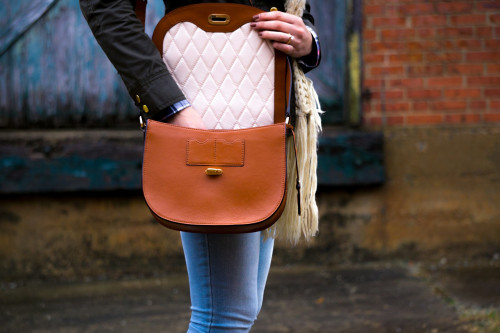
- Leather – Naturally strong and flexible. Many leather bags include inner layers of felt or fabric to prevent stretching and preserve shape over time.
- Canvas with PU coating – A popular choice for everyday and work bags, offering both rugged strength and a classic look.
- Recycled materials – More brands are now using recycled plastics or textiles for reinforcement, combining sustainability with performance.
The key is integration: the reinforcement should be built into the design so the bag feels sturdy without becoming bulky or heavy.
Læs også:



Bags for Different Needs
When choosing a reinforced bag, think about how you’ll use it most often.
- For work and commuting: Look for a bag with a padded laptop compartment and a reinforced bottom. It will protect your electronics and keep documents flat.
- For travel: A reinforced duffel or backpack can handle long trips and rough handling without losing its shape.
- For sports and leisure: Flexibility matters here. A lightly reinforced base can protect against wear from shoes or gear.
- For students: A backpack with internal structure keeps books and supplies organized and prevents sagging.
By matching the bag’s design to your purpose, you’ll get the most out of its reinforcement—both in comfort and longevity.
How to Extend Your Bag’s Lifespan
Even the toughest bag benefits from a little care. Wipe it down regularly with a damp cloth and avoid overloading it. If it gets wet, let it air dry naturally—never use direct heat. For leather bags, a quality conditioner will keep the material supple and prevent cracking.
Check seams, zippers, and straps from time to time. Small repairs made early can prevent bigger issues later. A reinforced bag is built to last, but with proper maintenance, it can serve you for many years.
An Investment in Quality
Reinforced bags often cost a bit more than basic models, but they’re an investment that pays off. You get a bag that holds its shape, protects your belongings, and stays reliable through years of use. It’s also a sustainable choice—fewer replacements mean less waste and a smaller environmental footprint.
Next time you’re shopping for a new bag, pay attention to the details: stitching, materials, and inner structure. That’s where the difference between an ordinary bag and a truly durable one becomes clear.
Læs også: