Materials That Reduce Friction and Irritation When Using Bags


Materials That Reduce Friction and Irritation When Using Bags
A good bag should be more than stylish and functional—it should also be comfortable to carry. Many people experience shoulder or back irritation, chafing, or heat buildup when using a bag daily or for long periods. Fortunately, modern materials and design innovations can help reduce friction and make carrying a bag much more pleasant. Here’s a guide to the key materials and technologies that make a real difference in comfort.
Why Friction and Irritation Occur
When a bag rests against your body, natural movement causes the fabric to rub against your skin or clothing. This friction can lead to redness, heat, or even small abrasions. Factors like moisture, heat, and weight make the problem worse. That’s why comfort depends not only on how a bag looks but also on what it’s made of and how it’s constructed.
Padding and Breathable Materials
One of the most effective ways to reduce friction is through padding. Shoulder straps and back panels with foam or gel padding distribute pressure evenly and minimize movement against the skin. Many modern bags use memory foam or EVA foam, which conform to your body’s shape and provide soft, stable support.
Breathability is equally important. Materials like mesh and microfiber allow air to circulate, preventing heat and moisture buildup. This is especially helpful on hot days or during physical activity, when sweat can increase irritation.
Smooth and Skin-Friendly Surfaces
The texture of a material plays a big role in how much friction it creates. Nylon and polyester with a smooth finish glide more easily against clothing than rough cotton or canvas. Many brands now use ripstop nylon, which is both durable and smooth, helping the bag last longer without causing discomfort.
For areas that come into direct contact with the body—like the underside of shoulder straps—materials such as microsuede or neoprene are often used. These are soft to the touch and slightly elastic, allowing them to move with your body without rubbing.
Ergonomic Design and Adjustable Straps
Even the best materials can’t help if the bag doesn’t fit properly. An ergonomic design with adjustable straps and balanced weight distribution reduces pressure points and unwanted movement. Many backpacks now feature S-shaped shoulder straps that follow the body’s contours and chest or waist straps that stabilize the bag while walking or biking.
When a bag fits snugly and stays in place, friction naturally decreases because it doesn’t slide back and forth against your body.
Technical Fabrics and Antimicrobial Features
Advances in textile technology have made it possible to combine comfort with hygiene. Antimicrobial coatings and moisture-wicking fibers—inspired by athletic wear—are increasingly used in bags. These materials help reduce odor and irritation, especially during daily use or in warm climates.
Some bags feature Coolmax® or AirMesh panels, which draw moisture away from the skin and keep contact areas dry. This makes a noticeable difference if you carry your bag for hours at a time.
Eco-Friendly Alternatives
Comfort and sustainability can go hand in hand. Many manufacturers are experimenting with recycled polyester, organic cotton, and plant-based neoprene, which offer low friction while being environmentally responsible. Some even use bamboo fibers or Tencel, which are naturally smooth and breathable.
Choosing a bag made from these materials allows you to care for both your comfort and the planet—without compromising on quality.
How to Choose the Right Bag
When trying out a bag, pay attention to:
- How the straps feel on your shoulders—are they soft and flexible?
- Whether the back panel allows for airflow.
- How stable the bag feels when you move.
- What materials are used in the areas that touch your body most.
A bag that feels comfortable from the start will stay comfortable over time. It’s an investment in both your well-being and your daily comfort.
Læs også:



Comfort Is Part of the Design
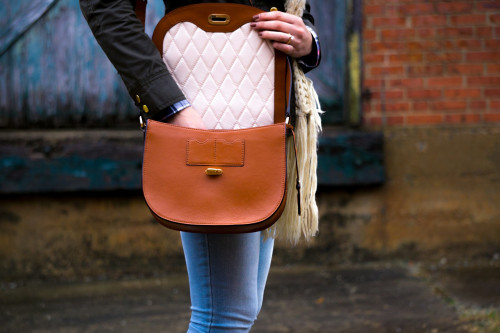
Today, bag design is about more than looks—it’s about the overall experience. Materials that reduce friction and irritation make it easier to carry your bag longer and with greater ease, whether you’re commuting, traveling, or heading to class. The best bag is the one you hardly notice you’re wearing.
Læs også: