From Film to Reality – The Dress’s Significance in Popular Culture

From Film to Reality – The Dress’s Significance in Popular Culture
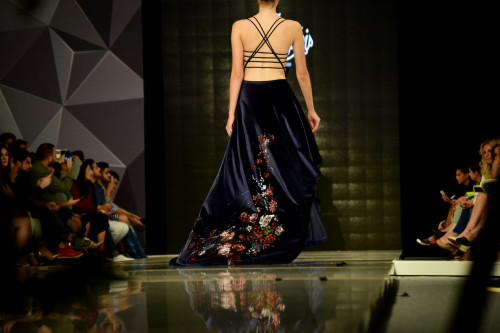
From Marilyn Monroe’s billowing white dress over a subway grate to the glittering gowns that dominate today’s red carpets, the dress has long been more than a piece of clothing. It is a cultural symbol—of femininity, transformation, and power. In American popular culture, the dress tells stories about identity, aspiration, and the shifting ideals of each generation. It can be a statement, a disguise, or a dream made visible.
The Dress as a Storytelling Device
In film, the dress often marks a turning point. It can signal a character’s transformation—from overlooked to unforgettable—or reveal an inner change. In romantic comedies, the dress frequently represents confidence and self-discovery, while in historical dramas it can embody class, privilege, or rebellion. Costume designers use color, texture, and silhouette to express emotion and narrative. A sleek black gown might suggest control and sophistication, while a flowing, brightly colored dress can evoke freedom and joy. The dress becomes part of the character’s psychology—a visual reflection of her journey.
From Screen to Street
When a dress becomes iconic on screen, it rarely stays confined to fiction. American fashion has long drawn inspiration from Hollywood moments. After a blockbuster premiere, similar styles often appear in department stores, on runways, and across social media. The “little black dress,” immortalized in mid‑century cinema, remains a wardrobe essential. Likewise, fantasy and superhero films have revived interest in dramatic silhouettes and metallic fabrics, while minimalist action‑film wardrobes have inspired sleek, functional designs for everyday wear.
Læs også:


A Symbol of Strength and Independence
The dress has evolved from a symbol of delicacy to one of empowerment. When a female lead wears a dress in a context that defies expectations—commanding a boardroom, leading a revolution, or saving the world—it challenges traditional ideas of femininity. In American pop culture, this shift mirrors broader social changes: the growing recognition that strength and softness can coexist. The dress becomes both armor and expression, representing autonomy rather than conformity.
The Dress as a Cultural Mirror
Each era’s dresses reflect its values and tensions. The cinched waists of the 1950s echoed postwar ideals of domestic stability, while the flowing styles of the 1970s embodied freedom and protest. Today’s fashion blends nostalgia with innovation—vintage silhouettes reimagined through sustainable materials and inclusive design. The dress, in this sense, charts the evolution of American identity: how we see gender, body image, and individuality.
From Dream to Everyday Life
Even if most of us never wear a couture gown, the dresses we see in movies, music videos, and award shows shape our sense of what is beautiful and possible. Choosing a dress for a special occasion often means channeling a cinematic moment or a celebrity image. It’s a way of stepping into a story—our own version of transformation.
The dresses of film and pop culture remind us that clothing is never just fabric and thread. It carries emotion, memory, and imagination. Perhaps that’s why the dress continues to captivate: it allows both characters and audiences to experience the magic of becoming someone new, if only for a moment.
Læs også: