Vintage Dresses as a Personal Statement in Today’s Fashion World

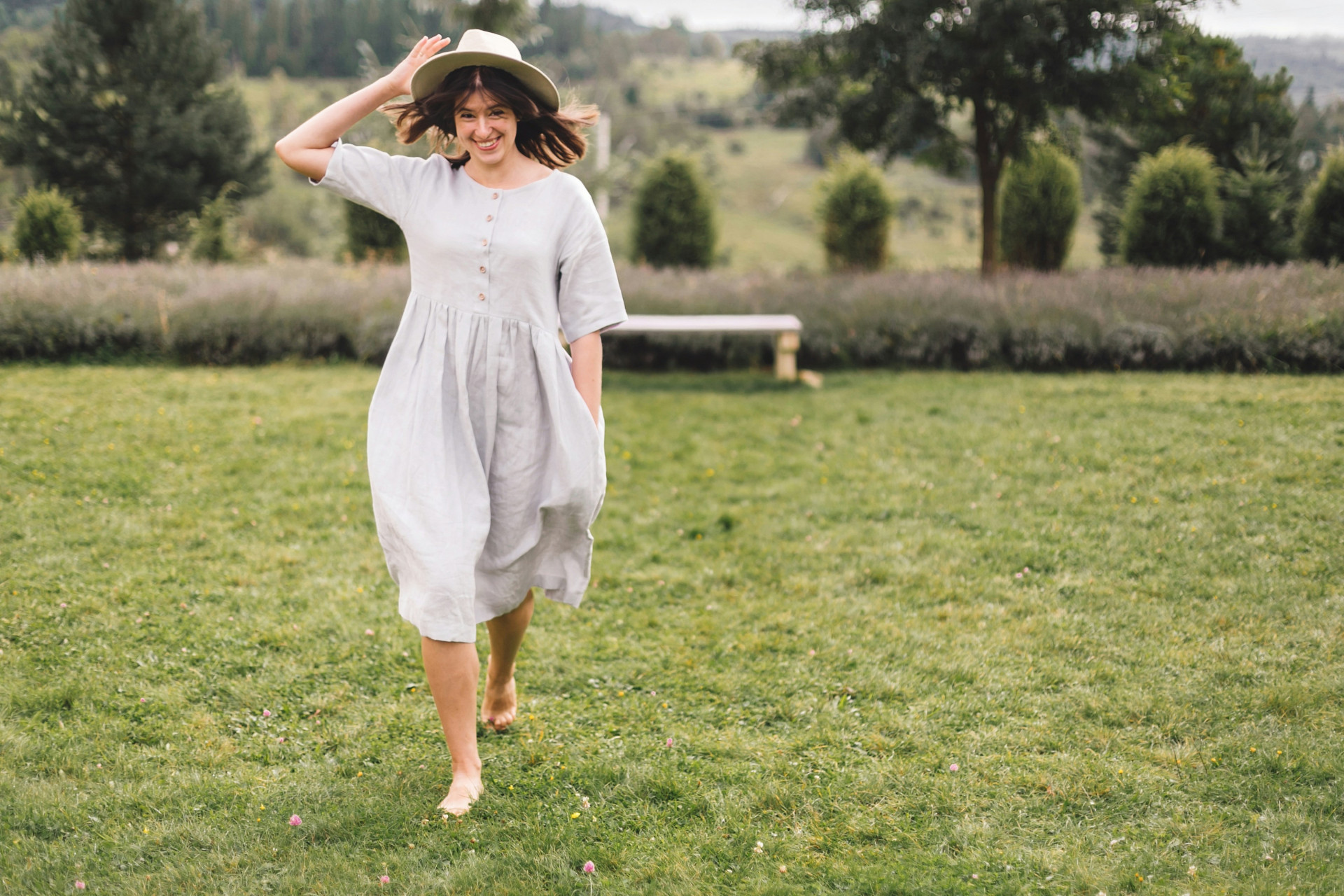
Vintage Dresses as a Personal Statement in Today’s Fashion World
In an era when fashion trends shift faster than ever and social media drives what’s “in” and “out” almost overnight, the vintage dress has emerged as a quiet yet powerful form of self-expression. It’s more than a style choice—it’s a statement about individuality, values, and a conscious relationship with fashion’s past and future.
Fashion with History and Soul
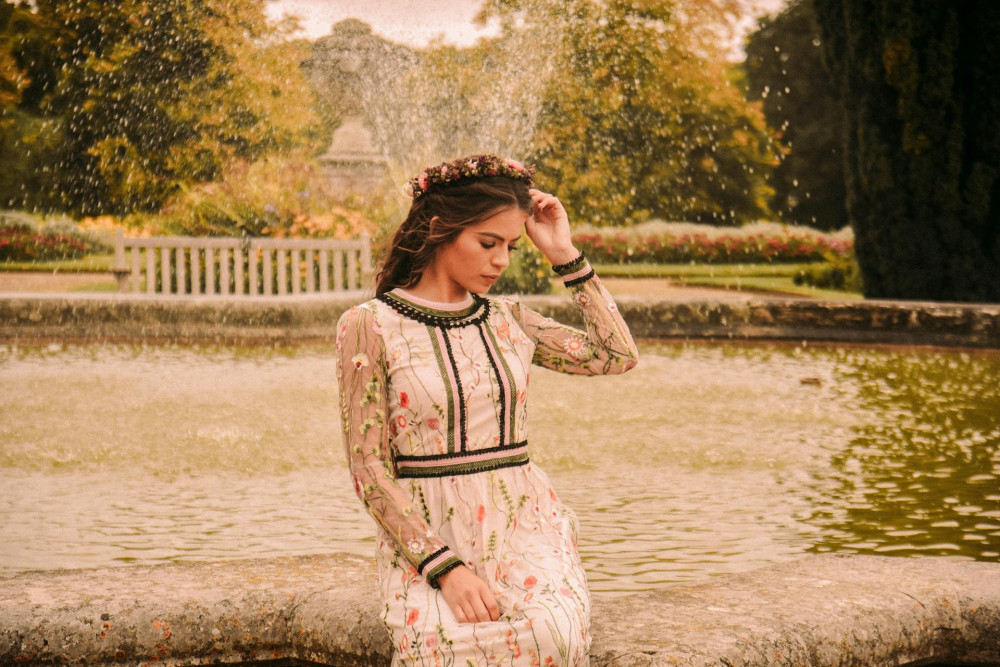
Every vintage dress carries a story. The stitching, the fabric, the silhouette—all reflect the craftsmanship and cultural mood of the time they were made. Slipping into a 1950s swing dress or a 1970s bohemian maxi isn’t just about aesthetics; it’s about stepping into a piece of history.
For many Americans, the appeal lies in authenticity. In a world dominated by fast fashion and mass production, vintage offers something rare: a tangible connection to the past and a chance to wear something truly one-of-a-kind. Each piece has lived a life before, and that history becomes part of the wearer’s own narrative.
Sustainability as a Style Choice
Choosing vintage is also a conscious environmental decision. The fashion industry is one of the most resource-intensive in the world, and reusing clothing helps reduce waste and carbon emissions. As sustainability becomes a growing concern in the U.S., especially among younger consumers, vintage shopping has become a way to align personal style with ethical values.
It’s not just about saving money or finding a rare designer label—it’s about rejecting disposable fashion and embracing mindful consumption. A vintage dress becomes a symbol of care and responsibility, proving that style and sustainability can coexist beautifully.
Personal Style Over Passing Trends
Vintage fashion invites creativity. Instead of following seasonal trends, wearers can build wardrobes that reflect their unique personalities. Some mix vintage dresses with modern accessories for a fresh contrast, while others fully embrace a particular era—from the sleek glamour of the 1920s to the bold power looks of the 1980s.
In cities like New York, Los Angeles, and Austin, vintage has become a language of individuality. It’s about finding your own voice through clothing, rather than letting trends dictate who you are.
From Thrift Stores to High-End Boutiques
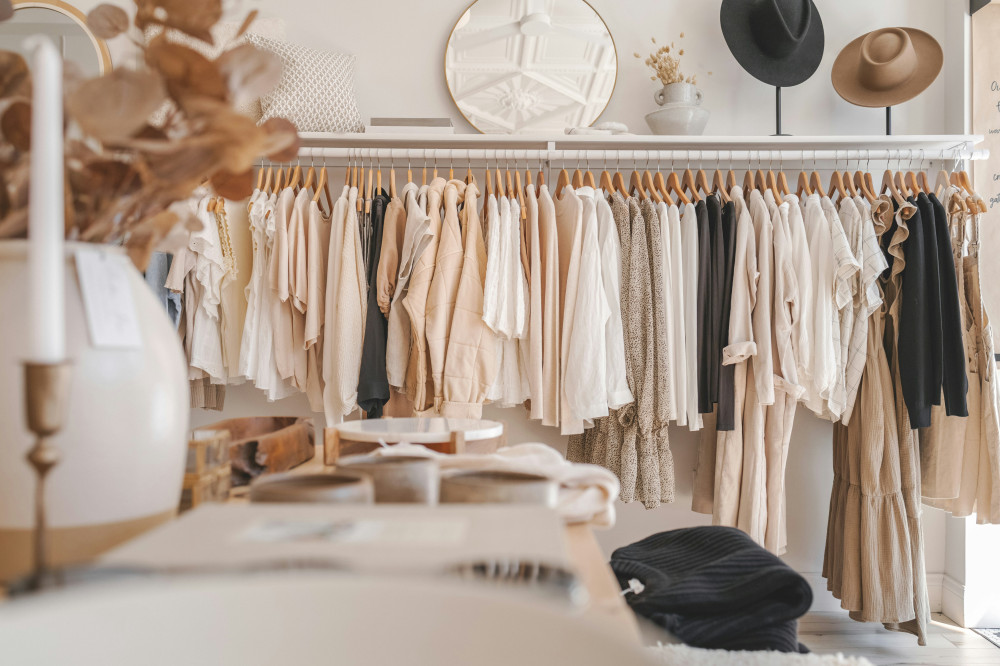
Vintage shopping in the U.S. has evolved far beyond dusty thrift stores. Today, curated vintage boutiques, online marketplaces, and even luxury retailers offer carefully selected collections of older designs. Platforms like Etsy, Depop, and The RealReal have made vintage more accessible than ever, while high-end stores in places like Brooklyn or San Francisco treat vintage as wearable art.
This growing demand has also elevated the value of certain pieces—iconic dresses from renowned designers can now fetch prices comparable to new couture. Yet, for those with patience and a good eye, there are still treasures waiting to be discovered at local flea markets or estate sales.
Vintage as Identity and Storytelling
Wearing vintage is a way of telling a story—about who you are and what you stand for. It can express nostalgia, creativity, empowerment, or simply a love for fashion history. For some, it’s a quiet rebellion against conformity and overconsumption; for others, it’s a celebration of timeless beauty and craftsmanship.
Each vintage dress becomes a conversation between past and present, between the maker’s vision and the wearer’s interpretation. It’s fashion with meaning, not just decoration.
Læs også:

A Timeless Trend
Though vintage dresses draw from the past, their appeal is timeless. They remind us that fashion doesn’t have to be new to be relevant—and that true style often comes from confidence and intention rather than novelty.
In today’s fashion world, where authenticity and sustainability matter more than ever, the vintage dress stands as a powerful symbol: a meeting point between history and modernity, between aesthetics and ethics, between who we were and who we choose to be.
Læs også: