How to Properly Dry Your Shoes After Rain and Snow

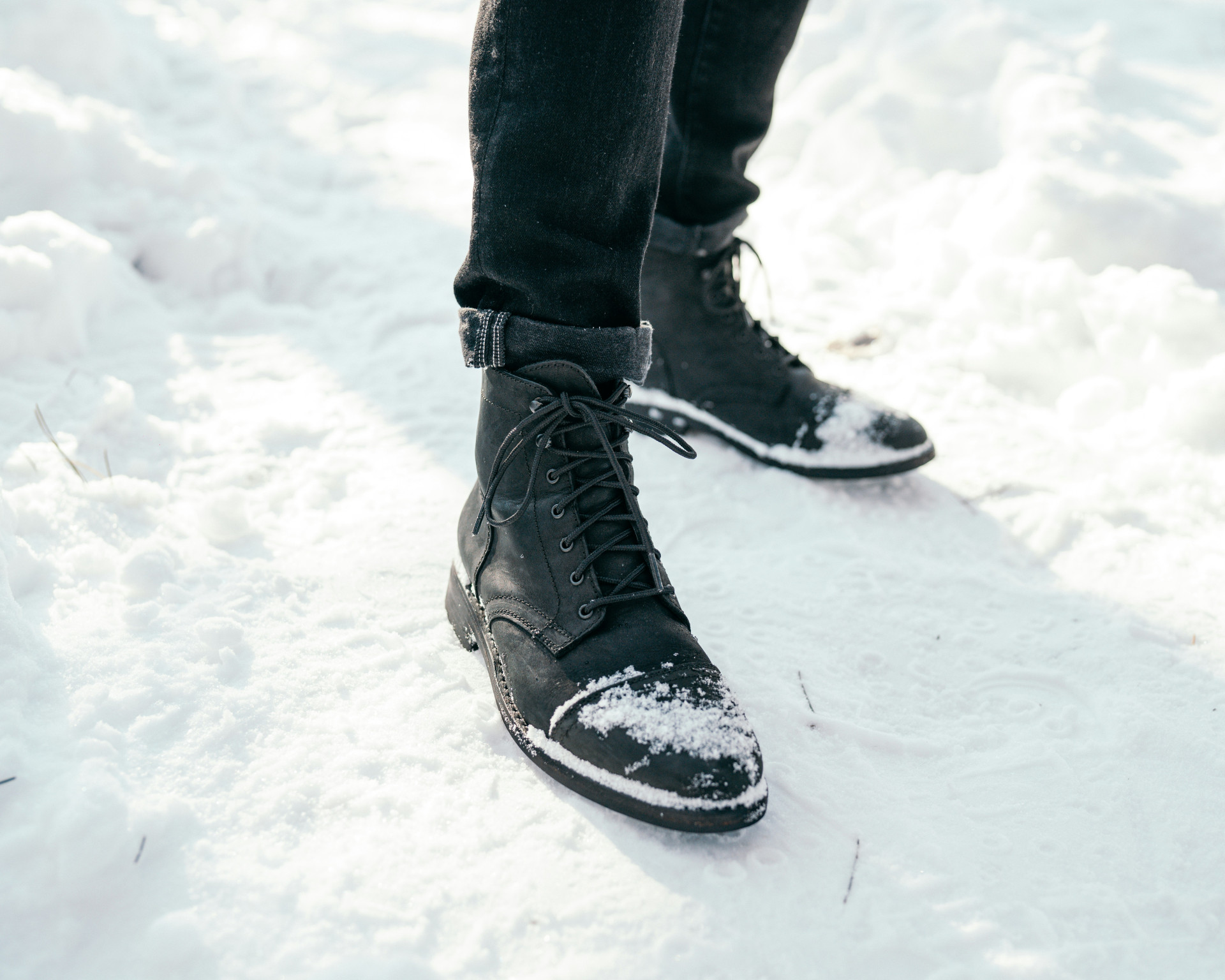
How to Properly Dry Your Shoes After Rain and Snow
When the weather turns wet or snowy, it’s almost impossible to keep your shoes completely dry. Whether you’ve been caught in a downpour, trudged through slush, or walked across salted sidewalks, your shoes need the right care to stay in good shape. Here’s a practical guide to drying your shoes properly—without damaging the material or ruining their fit.
Why Proper Drying Matters
Wet shoes aren’t just uncomfortable—they can also deteriorate quickly. Moisture can weaken glue, warp materials, and create the perfect environment for bacteria and odor. Leather can crack, fabric can lose its shape, and soles can separate if shoes are exposed to too much heat or stay damp for too long.
By drying your shoes correctly, you’ll extend their lifespan and keep them looking and feeling their best.
Step 1: Remove Excess Water
As soon as you get home with wet shoes, start by getting rid of as much water as possible:
- Take out the laces and insoles. This allows air to circulate more freely and speeds up drying.
- Blot with a towel. Gently press a clean towel against the surface to absorb moisture—avoid twisting or squeezing, which can deform the shoe.
- Wipe off dirt and salt. If your shoes have been exposed to road salt or slush, wipe them with a damp cloth before drying. Salt can stain and damage materials if left on too long.
Step 2: Stuff the Shoes with Absorbent Material
A tried-and-true method is to stuff your shoes with newspaper. The paper draws out moisture from the inside and helps the shoes keep their shape. Replace the paper every few hours if it becomes soaked.
You can also use paper towels, cotton cloths, or moisture-absorbing shoe inserts filled with silica gel. Avoid using newspaper with heavy ink on light-colored shoes, as the print may transfer.
Læs også:

Step 3: Let Them Air-Dry Naturally
It’s tempting to speed things up by placing your shoes near a heater, fireplace, or using a hair dryer—but direct heat can dry out and damage materials, especially leather and glued soles.
The best approach is to let your shoes dry at room temperature in a well-ventilated area. Place them on a rack or mesh surface so air can circulate around them. If you have a fan, let it blow gently across the shoes to help the process along without adding heat.
Step 4: Use a Shoe Dryer—Carefully
Electric shoe dryers can be convenient, especially for athletic shoes or winter boots that get soaked often. Choose a model that uses warm, not hot, air, and always follow the manufacturer’s instructions. Avoid using them on delicate materials like suede or fine leather unless the dryer is specifically designed for that purpose.
Step 5: Condition and Protect After Drying
Once your shoes are completely dry, give them a little post-care:
- Leather shoes: Apply a leather conditioner or cream to restore moisture and prevent cracking.
- Suede shoes: Gently brush with a suede brush to revive the nap.
- Fabric shoes: Consider using a water-repellent spray to help protect them from future moisture and stains.
Even proper drying can remove some of the natural oils or protective coatings from your shoes, so this step helps maintain their durability and appearance.
Step 6: Prevent Future Moisture Damage
The best way to deal with wet shoes is to avoid them getting soaked in the first place. Here are a few simple prevention tips:
- Waterproof your shoes regularly, especially before fall and winter.
- Keep an extra pair of shoes at work or in your car for rainy or snowy days.
- Store shoes in a dry place, and consider using cedar shoe trees—they absorb moisture and help prevent odor.
With a little care and attention, you can keep your shoes dry, comfortable, and ready for many more walks through rain and snow.
Læs også: