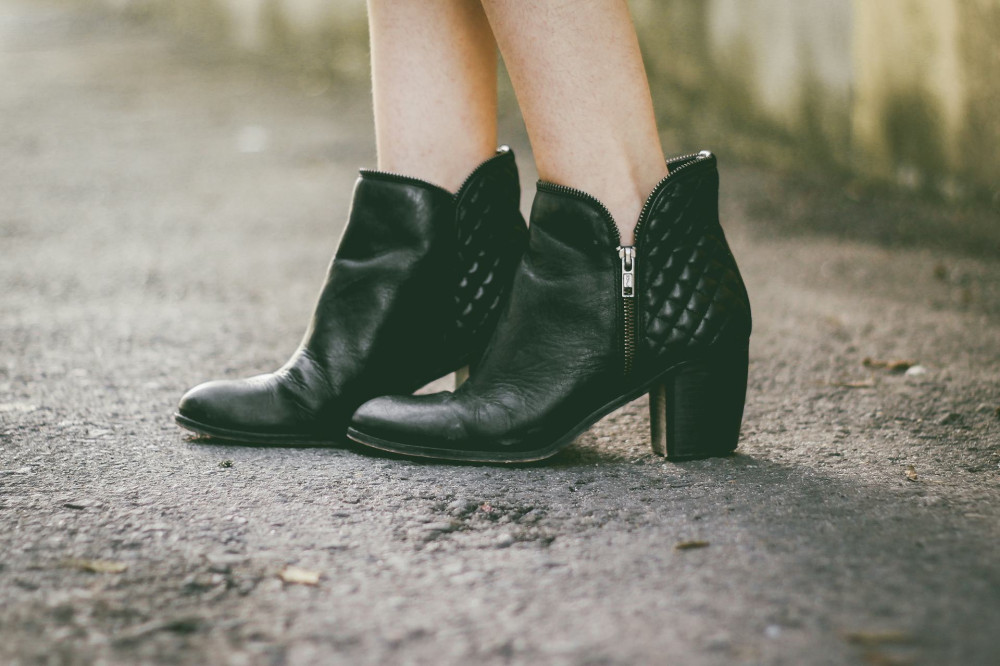
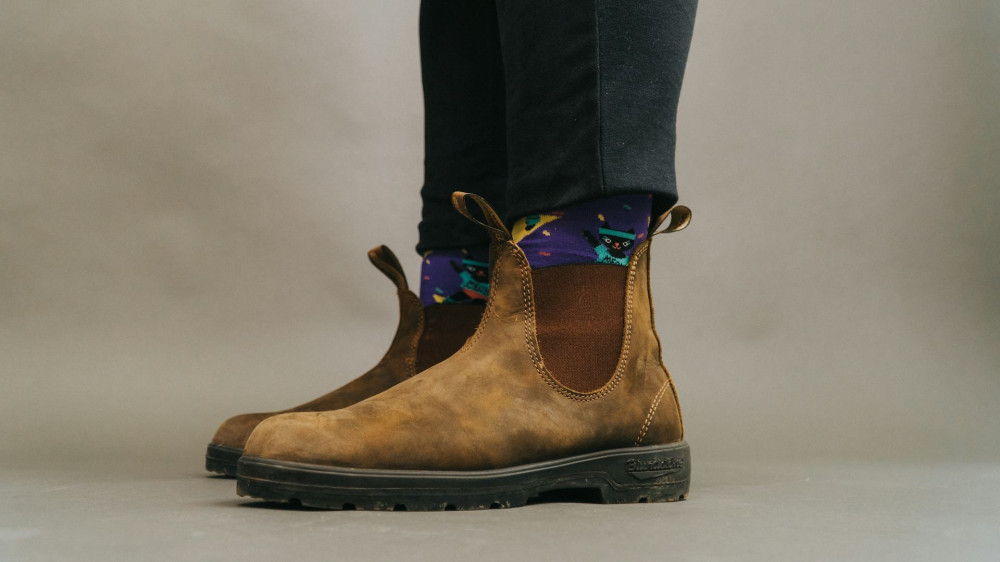
Quality Shoes at First Glance: How to Recognize Good Shoe Materials

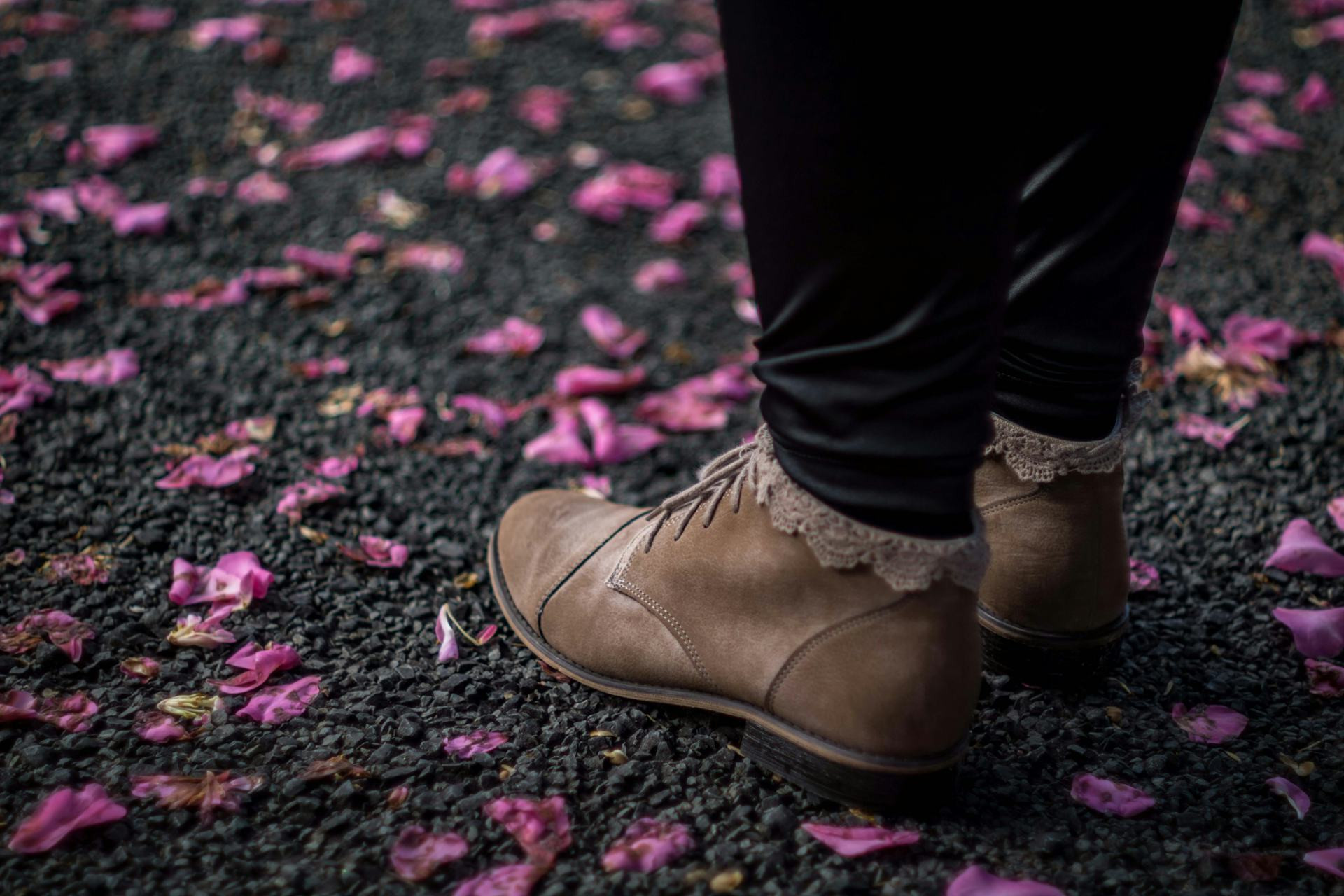
Quality Shoes at First Glance: How to Recognize Good Shoe Materials
A great pair of shoes can elevate both your style and your comfort—but how can you tell the difference between quality and quantity when you’re standing in the store? Many shoes look appealing at first sight, but the materials quickly reveal whether they’ll stand up to everyday wear. Here’s a guide to recognizing good shoe materials, so you can invest in footwear that looks great and lasts for years.
Leather Quality – The First Sign of Durability
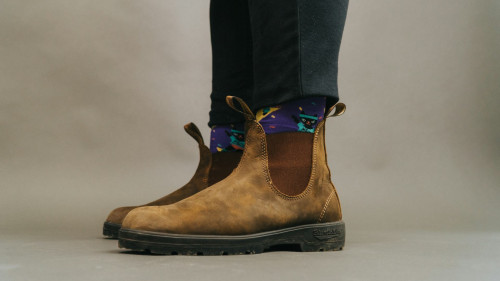
Leather is one of the most common materials in quality shoes, but not all leather is created equal. Full-grain leather is the top layer of the hide and is known for its natural texture and breathability. It develops a rich patina over time, giving the shoe character and depth.
By contrast, split leather and synthetic leather are often sanded and coated with plastic to look uniform. They may appear sleek at first, but they lose shape and shine quickly. A simple test: touch the surface. Real leather feels warm and supple, while synthetic materials feel smooth and cool.
Stitching and Construction – The Details Reveal the Craftsmanship
When assessing shoe quality, take a close look at the stitching. Are the stitches even, tight, and free of loose threads? That’s a sign of careful craftsmanship. High-quality shoes are often Goodyear welted or Blake stitched, meaning the sole is sewn rather than glued. This makes the shoe more durable and easier to resole when the time comes.
Glued shoes can be fine for light use, but the adhesive tends to weaken over time—especially in humid or wet conditions. A good rule of thumb: the more visible craftsmanship, the better the quality.
The Sole – Comfort and Construction in One
The sole is the foundation of the shoe. A quality sole should be flexible yet firm enough to support your foot. Leather soles are classic and breathable but require some maintenance. Rubber soles offer better traction and are ideal for rainy or snowy days. Many modern quality shoes combine both materials to balance comfort and durability.
Also, check how the sole is attached. A visible seam between the upper and the sole is a good sign—it means the shoe can be repaired instead of discarded when worn down.
The Interior – Hidden Comfort
The inside of the shoe says a lot about its quality. Genuine leather linings mold to your foot and wick away moisture, keeping your feet dry and comfortable. Cheaper shoes often use synthetic linings, which can feel clammy and wear out quickly. Look for removable insoles—they make it easier to air out your shoes and replace the insole if it flattens over time.
Læs også:


Smell, Weight, and Flexibility – Use Your Senses
A pair of quality shoes reveals itself through more than just appearance. Smell them—real leather has a distinct, natural scent, while synthetic materials often smell like chemicals. Lift the shoe: if it feels too light, it may be made from thin materials and lack structure. Gently bend the shoe in your hands—it should flex naturally but not feel flimsy. A good shoe moves with your foot while maintaining its shape.
Care and Maintenance – How to Make Them Last
Even the best materials need care. Use a quality shoe cream or wax to keep leather supple and protected from moisture. Let your shoes rest between wears, and use cedar shoe trees to help them retain their shape and absorb moisture. With proper care, a pair of quality shoes can last for many years—and often look even better with age.
Quality Pays Off – In the Long Run
While quality shoes may cost more upfront, they pay off over time. They last longer, feel better, and can be repaired instead of replaced. Once you learn to recognize good shoe materials, choosing footwear that fits your style and supports your feet becomes second nature.
Læs også: