Natural Materials Need Special Care – How to Keep Them Beautiful


Natural Materials Need Special Care – How to Keep Them Beautiful
Wool, cotton, linen, and silk – natural materials have a timeless appeal. They feel soft against the skin, breathe better than synthetics, and age gracefully when treated with care. But because they come from nature, they also need a little extra attention in everyday use. Here’s a guide to keeping your natural fabrics beautiful and long-lasting.
Know Your Fabric – and Its Needs
The first step in proper care is understanding what each material requires. Every natural fiber has its own strengths and sensitivities:
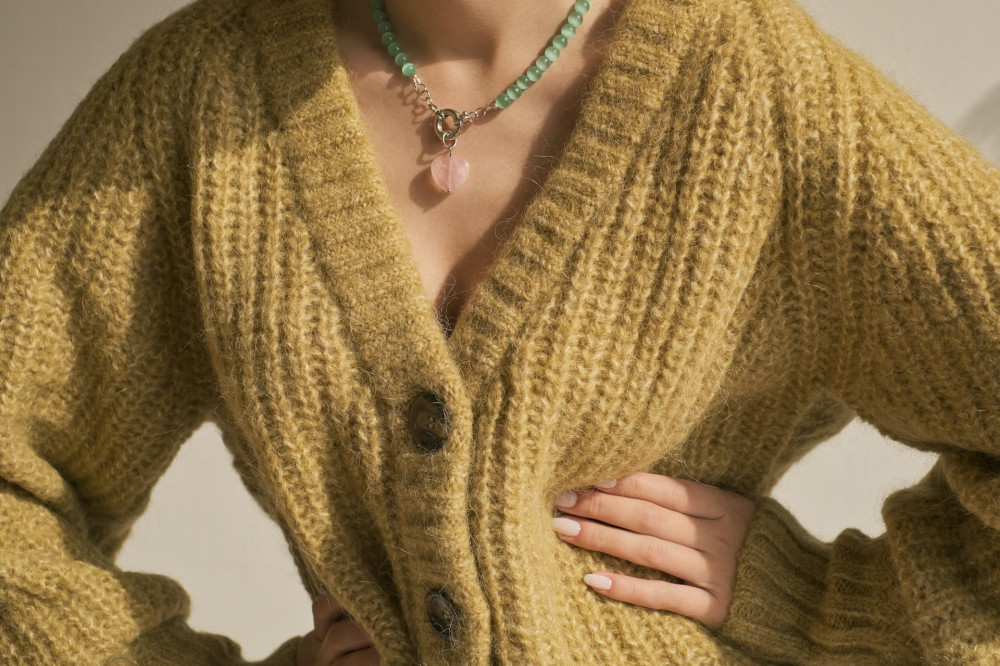
- Wool is self-cleaning and temperature-regulating but doesn’t tolerate hot water or rough washing.
- Cotton is durable and easy to clean, but it can shrink or lose shape if dried at high heat.
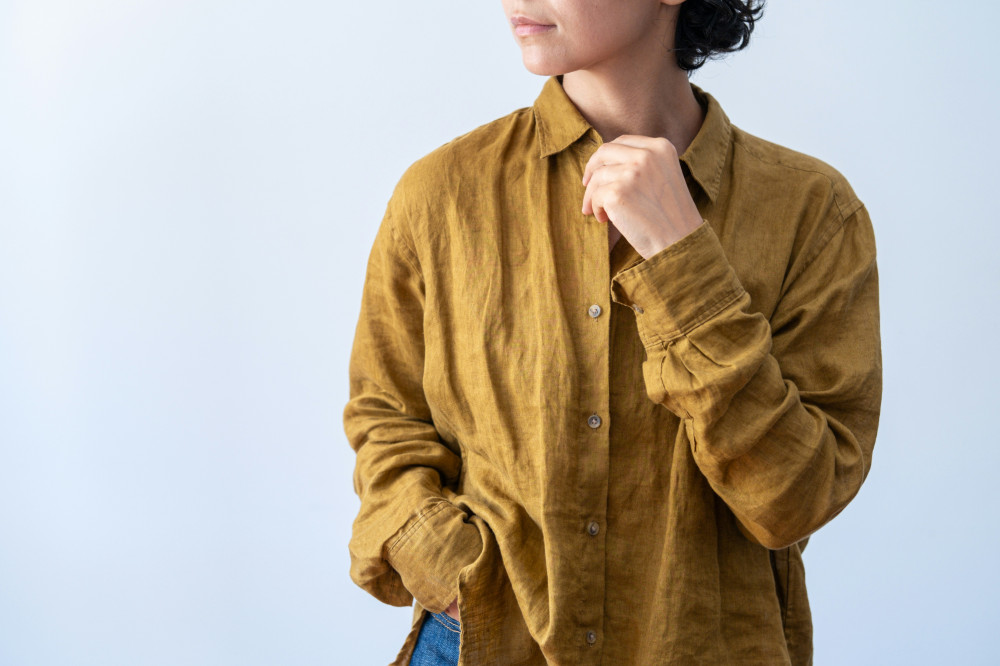
- Linen is breathable and strong, yet it wrinkles easily and benefits from being ironed while slightly damp.
- Silk is elegant and lustrous but sensitive to sunlight, perspiration, and harsh detergents.
When you know the nature of your fabric, you can choose the right care method—and avoid the mistakes that cause fading, stretching, or stiffness.
Læs også:


Wash with Care
Most natural materials prefer gentle washing. Always check the care label, but as a general rule:
- Use a mild detergent free of enzymes and bleach. Enzymes can damage wool and silk fibers.
- Wash in cool or lukewarm water—around 86°F (30°C) is often enough. For wool, handwashing or a delicate cycle is best.
- Avoid heavy spin cycles, which can distort the fabric’s shape.
- Don’t overload the washer, so clothes can move freely and rinse properly.
A good habit is to wash less often. Many natural fibers, especially wool, naturally resist odors and dirt. Airing garments outdoors or in a well-ventilated room can refresh them without washing—saving both energy and fabric life.
Drying and Storing
How you dry and store your clothes makes a big difference in how long they stay beautiful.
- Lay garments flat to dry, especially wool and knits, to prevent stretching.
- Keep them out of direct sunlight, which can fade colors and weaken fibers.
- Use wide, padded hangers for shirts and jackets to avoid shoulder marks.
- Store wool and silk in a cool, dry place, ideally in breathable cotton bags that allow air circulation.
To protect wool from moths, place cedar blocks or lavender sachets in your closet—they smell pleasant and deter pests naturally.
Treat Stains Gently
Stains on natural fabrics require patience. Never rub harshly—it can damage the fibers. Instead, blot gently with a damp cloth and a little mild soap. For wool and silk, always test on an inconspicuous area first.
Avoid strong chemical stain removers unless they’re labeled safe for delicate fabrics. Often, a mix of cold water and a bit of white vinegar or lemon juice can work wonders, especially on sweat or mineral stains.
Give Fabrics a Rest
Natural materials benefit from rest. Wool sweaters and knits should have a day or two between wears so the fibers can recover their shape. This reduces wear and helps garments keep their form.
Rotating your wardrobe and not wearing the same pieces every day keeps your clothes fresher and extends their lifespan.
Repair Instead of Replacing
One of the great advantages of natural fabrics is that they can be repaired. A small hole in a wool sweater can be darned, a loose seam in a linen shirt can be stitched, and a faded silk blouse can be re-dyed.
By mending instead of discarding, you extend the life of your clothes and reduce waste—a win for both the environment and your wallet.
Beauty Through Use
Natural materials often become more beautiful with time. Linen softens, wool molds to your body, and cotton develops a comfortable patina. That’s part of their charm—and proof that quality and care go hand in hand.
When you care for your natural fabrics, you’re also caring for the resources behind them. With a little attention and respect, you can enjoy your natural materials for many years—and let them tell the story of a life lived in harmony with nature.
Læs også: