The History of the Sweater: Traditions from Around the World

The History of the Sweater: Traditions from Around the World
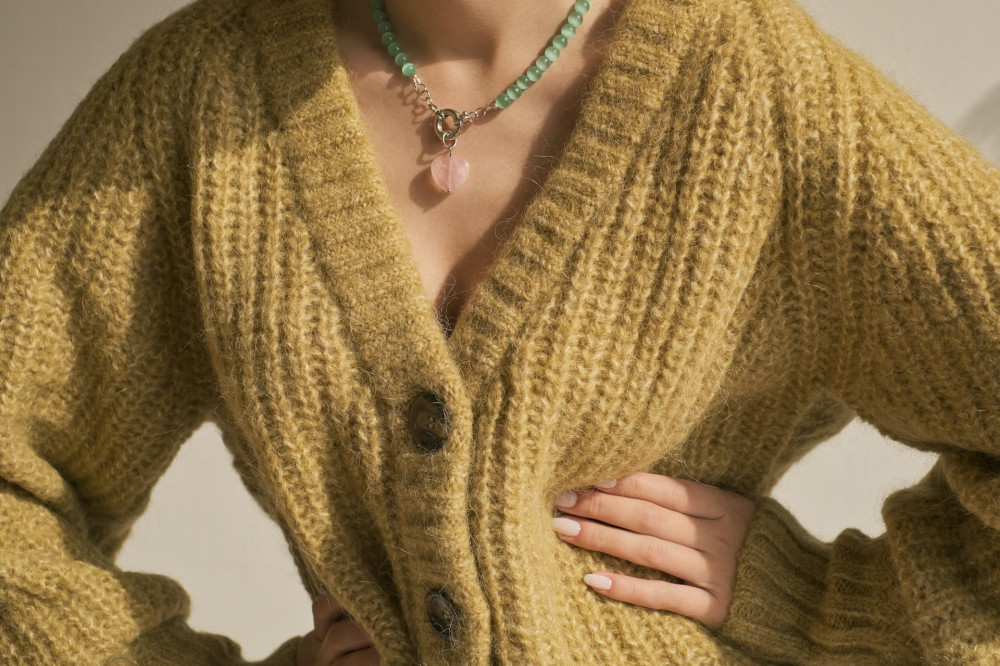
The sweater is one of the most beloved and versatile garments in the world. From the rugged Icelandic wool pullover to the colorful Andean alpaca knit, sweaters have served as both practical clothing and cultural expression. But how did this humble piece of clothing come to hold such global significance? Let’s explore the history of the sweater and the traditions that have shaped it across continents.
From Necessity to Craftsmanship
The earliest sweaters were born out of necessity. In cold climates, people learned to spin wool and knit or weave garments that could trap warmth and withstand harsh weather. Across Northern Europe and the British Isles, wool sweaters became essential for fishermen, farmers, and sailors. They were durable, warm, and water-resistant—qualities that made them indispensable for life in demanding environments.
Over time, the sweater evolved from a purely functional garment into a form of craftsmanship. Patterns, colors, and techniques were passed down through generations, and in many places, sweaters came to symbolize identity, community, and pride in local tradition.
The Icelandic Lopapeysa – A National Symbol
One of the most recognizable sweaters in the world is the Icelandic lopapeysa. Distinguished by its circular yoke pattern in natural tones, the lopapeysa became popular in the mid-20th century but draws on much older knitting traditions. Made from the wool of Icelandic sheep—renowned for its warmth and water resistance—the sweater reflects both practicality and artistry.
Today, the lopapeysa is more than clothing; it’s a symbol of Icelandic identity and sustainable craftsmanship. Locals and visitors alike wear it as a proud expression of heritage and connection to the island’s rugged landscape.
The Aran Sweater – Patterns with Meaning
Off the west coast of Ireland, the Aran Islands gave rise to another iconic sweater tradition. In the 19th century, fishing families developed distinctive cable-knit patterns, each with symbolic meaning. The interwoven cables represented fishermen’s ropes, while zigzag lines evoked the waves of the Atlantic.
According to legend, a drowned fisherman could be identified by the pattern of his sweater—a poignant reminder of how deeply these garments were tied to life, labor, and identity. Today, the Aran sweater has become a global fashion staple, yet it still carries the spirit of craftsmanship and community from which it was born.
The Colorful Knits of the Andes
In South America, sweater traditions took on a different form. In the Andes, people have spun yarn from alpaca and llama wool for centuries, creating vibrant ponchos and sweaters woven with geometric designs. The bright colors and intricate patterns reflect both the natural surroundings and the spiritual beliefs of Andean communities.
Each region has its own color codes and motifs, often telling stories of harvests, festivals, or local legends. Today, Andean sweaters are celebrated worldwide—not only for their beauty and warmth but also as living expressions of cultural heritage.
Japanese and Chinese Textile Traditions
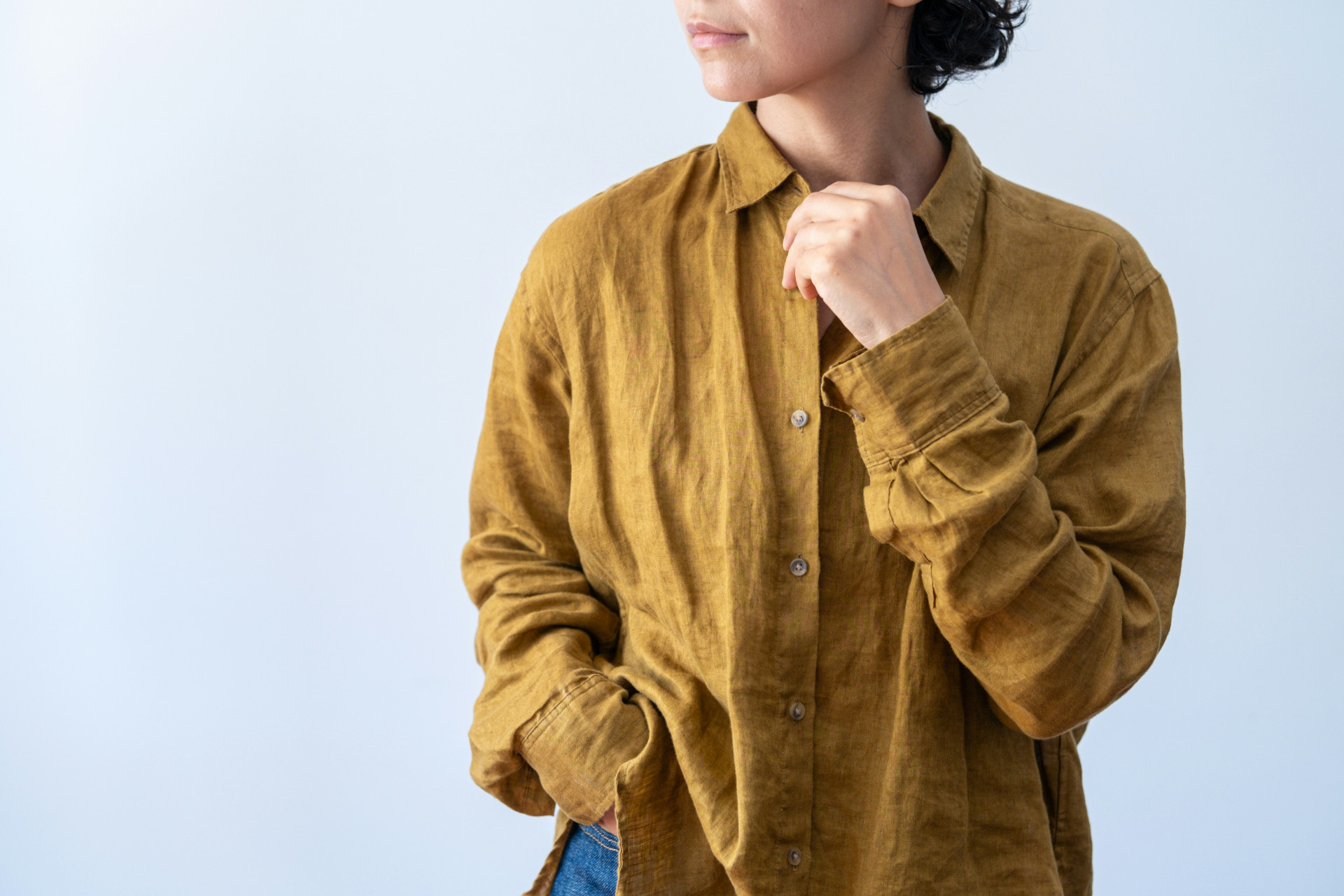
While the knitted sweater has its roots in Western culture, Asia has long had its own versions of warm, layered garments. In Japan, the noragi—a lightweight cotton jacket, often indigo-dyed and patched—was traditionally worn by farmers and artisans. Its simple, functional design has become a symbol of the Japanese aesthetic of wabi-sabi, which values the beauty of imperfection and wear.
In China, silk and embroidery played a similar role. Robes and jackets served as status symbols, decorated with intricate patterns that indicated rank and identity. Where European sweaters emphasized practicality, East Asian garments often embodied artistry and symbolism.
The Modern Sweater – From Workwear to Fashion
In the 20th century, the sweater made its way from the fishing boat to the fashion runway. Designers like Coco Chanel and Elsa Schiaparelli transformed knitwear into elegant, modern attire. Since then, sweaters have taken countless forms—from sporty pullovers to high-fashion statement pieces.
In recent years, the rise of sustainable and “slow fashion” movements has renewed interest in hand-knitting and traditional techniques. Many people are rediscovering the value of natural fibers, local production, and the meditative art of making something by hand. The sweater, once again, stands for quality, care, and connection.
Læs også:


A Global Story Still Being Written
The sweater is more than a piece of clothing—it’s a thread that connects people across time and place. From the icy North Atlantic to the sunlit Andes, sweaters tell stories of climate, craftsmanship, identity, and belonging.
As fashion continues to evolve, these traditions endure in the hands of those who still knit, weave, and wear their heritage with pride. The history of the sweater is not just about warmth—it’s about the warmth of human creativity and culture itself.
Læs også: