Balanced Spaces: How to Create Harmony Between Activity and Rest

Balanced Spaces: How to Create Harmony Between Activity and Rest
A home should be a place where life happens — full of movement, creativity, and connection — but also a place where you can slow down and recharge. Finding balance between activity and rest isn’t just about furniture placement; it’s about atmosphere, rhythm, and intentional choices. Here’s how you can design spaces that support both energy and calm in your everyday life.
Think in Zones, Not Just Rooms
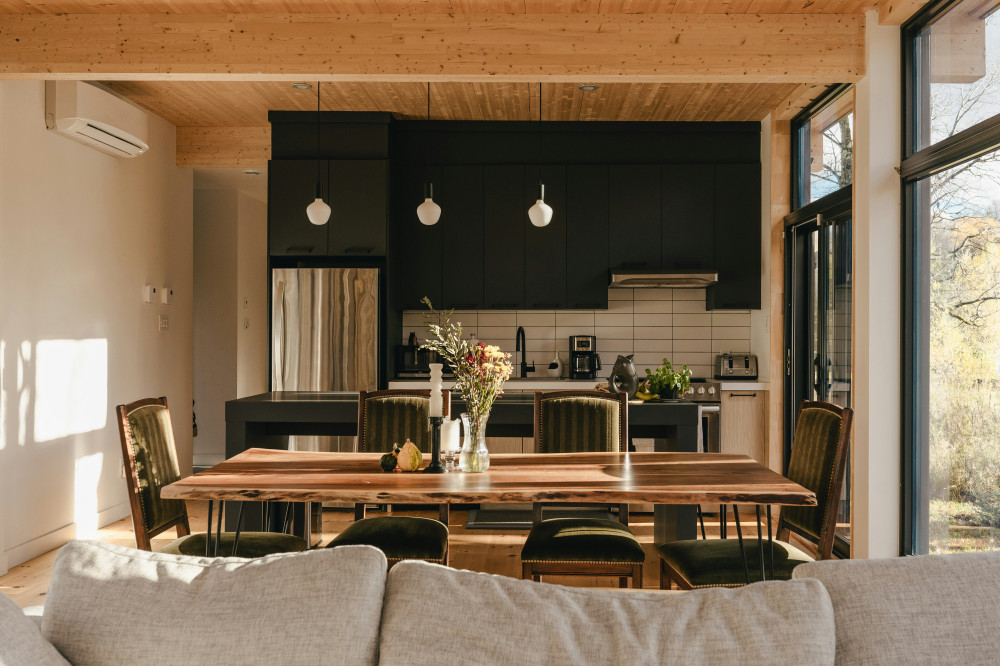
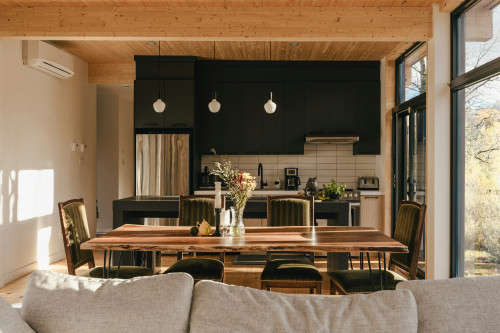
In many American homes, spaces serve multiple purposes: the living room doubles as a workspace, the kitchen becomes a social hub, and the bedroom might host a yoga mat or a laptop. That’s why it helps to think in zones rather than fixed rooms.
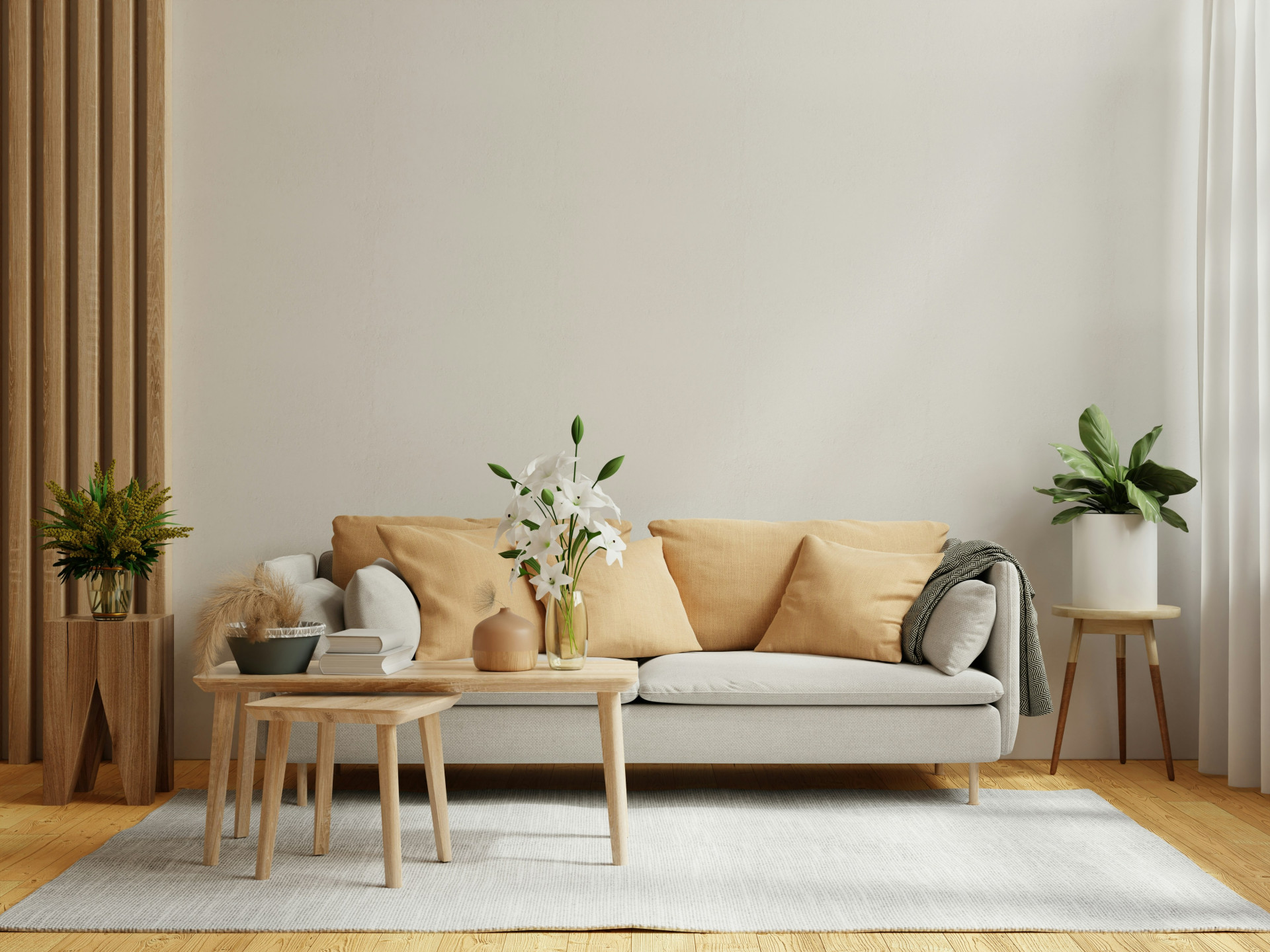
- Activity zones should encourage movement and focus. Choose areas with good lighting, durable materials, and enough space to spread out — whether it’s for working from home, exercising, or crafting.
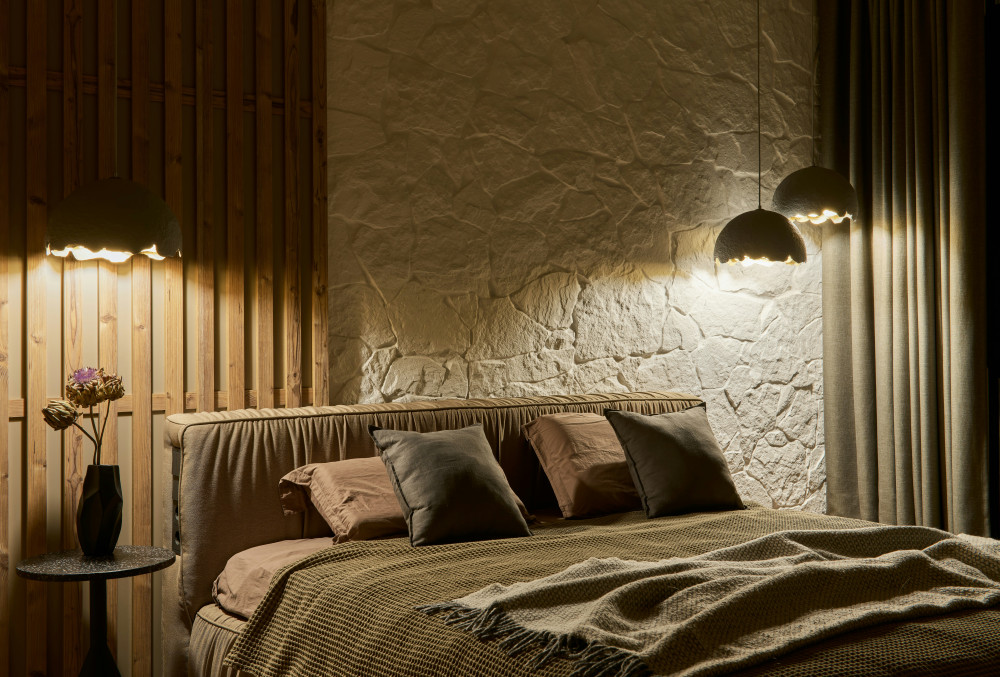
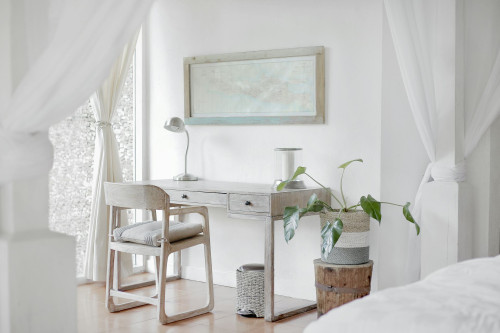
- Rest zones should signal calm. Use soft textures, warm lighting, and soothing colors that invite you to slow down.
Even in small apartments, you can create clear transitions between activity and rest — for example, by using rugs, screens, or different lighting to define each zone.
Light as a Mood Setter
Light shapes how we experience a space. It affects our energy, focus, and ability to relax.
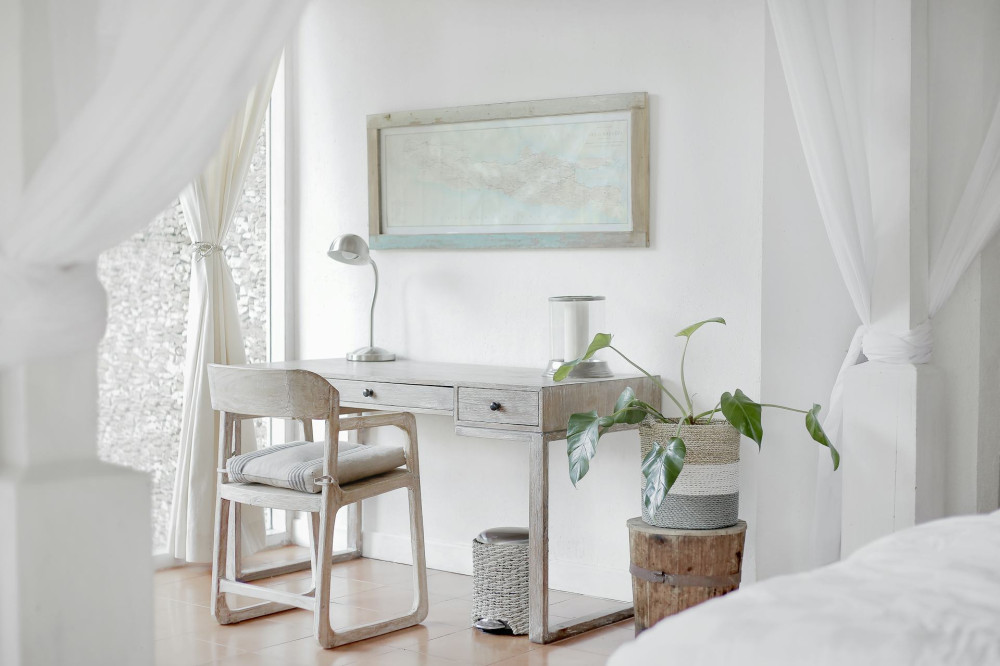
- Natural light boosts alertness and mood. Position desks or active areas near windows to make the most of daylight.
- Soft, warm lighting helps you unwind. Use dimmable lamps or warm-toned bulbs to create a cozy atmosphere in the evening.
- Accent lighting — like a reading lamp or candlelight — can bring focus and intimacy to restful corners.
By adjusting light throughout the day, you can support your body’s natural rhythm and make the shift from activity to rest feel more natural.
Color, Texture, and Sound
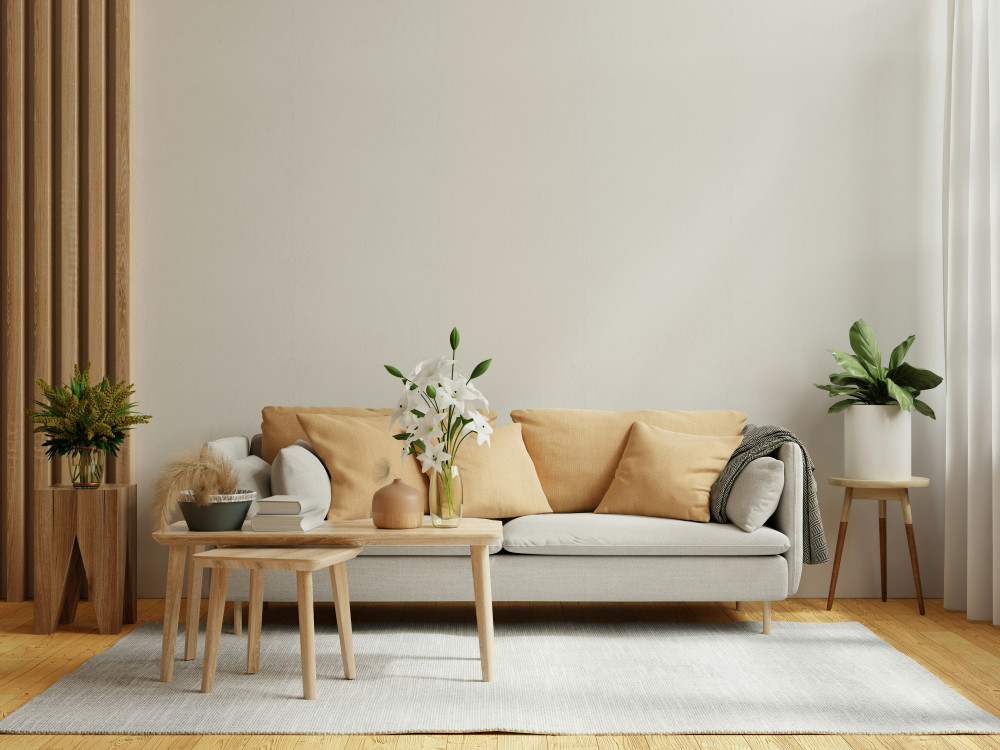
Colors and materials influence how we feel more than we realize. In active areas, energizing tones like green, blue, or terracotta can inspire focus and creativity. In restful spaces, muted shades — sand, gray, or soft blush — promote calm.
Textures matter too. Smooth surfaces and metal accents can create a modern, dynamic feel, while wood, wool, and cotton add warmth and comfort. Don’t forget about sound: hard surfaces amplify noise, while rugs, curtains, and cushions absorb it, creating a quieter, more peaceful environment.
Design with Rhythm and Pause
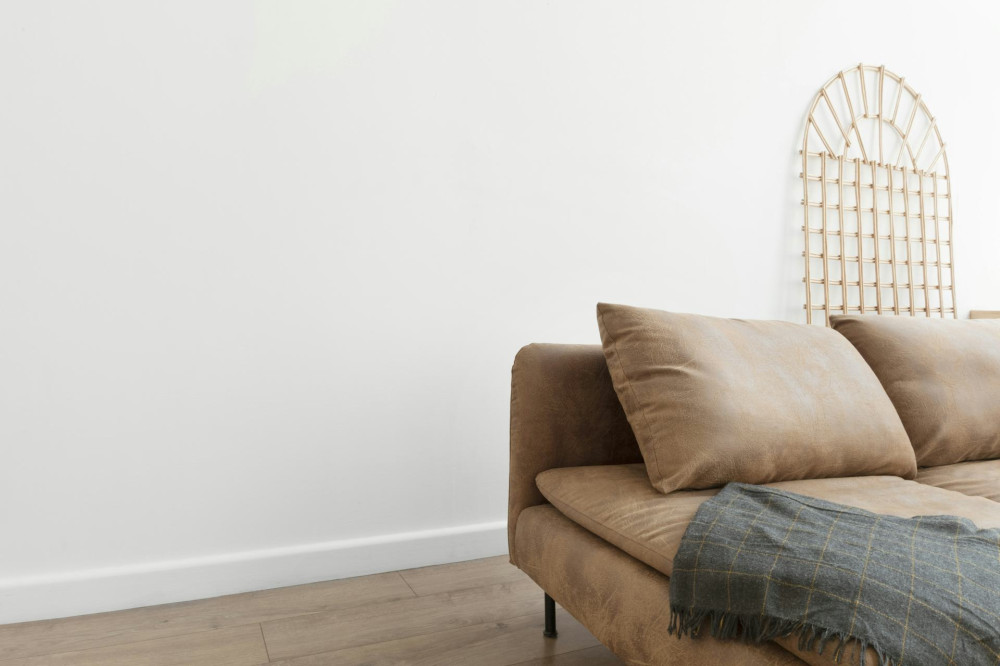
A balanced home isn’t about making everything look the same — it’s about creating rhythm. Just as music needs pauses, so does your interior. If every wall is filled with color, pattern, and objects, the space can feel overwhelming. Give the eye places to rest — a blank wall, a simple shelf, or an uncluttered corner.
Think about how you move through your home. The transition from an active kitchen to a calm living room can be marked by a plant, a change in lighting, or a shift in texture. These subtle cues help your body and mind switch gears.
Læs også:
Create Rituals for Rest
Design supports your habits, but it’s your rituals that bring a space to life. Try small daily routines that help you find balance:
- Light a candle or turn on soft music when you finish work to signal the start of downtime.
- Keep your phone in a designated spot when you want to disconnect.
- Dedicate a corner for reading, meditation, or quiet reflection.
Repeating the same actions in the same environment teaches your body to associate that space with calm.
A Home in Balance, a Mind in Balance
When our surroundings are balanced, our minds follow. A home that makes room for both activity and rest helps you live more intentionally — energized, yet grounded. It’s not about perfection, but about creating spaces that support the rhythm of your life.
Start small: move a lamp, clear a surface, or add a soft throw. Sometimes, just a few thoughtful changes are enough to bring both your space — and yourself — into harmony.
Læs også: