Design Your Home for Good Habits and Better Routines

Design Your Home for Good Habits and Better Routines
Our surroundings shape our behavior more than we realize. A cluttered desk can make it harder to focus, while a bright, organized kitchen can inspire you to cook healthy meals. When you design your home with your habits in mind, you create an environment that supports your goals—whether you want to move more, sleep better, or simply feel calmer. Here’s how to design your home to encourage good habits and better routines.
Create Zones That Support Your Goals
A home works best when each space reflects how you actually live. Think about the habits you want to strengthen, and design your rooms accordingly.
- Want to move more? Make space for movement in your living room—a corner with a yoga mat, resistance bands, or dumbbells makes it easy to get started.
- Want to read more? Set up a cozy reading nook with good lighting, a comfortable chair, and a small shelf of books you’re excited to read.
- Want to eat healthier? Keep fruits and vegetables visible and easy to grab in the kitchen, while storing snacks and sweets out of sight.
When your environment makes the right choice the easy choice, it becomes much simpler to stick with your goals.
Læs også:
Make It Easy to Do the Right Thing
Habits often come down to accessibility. The fewer obstacles there are, the more likely you are to follow through—whether it’s a healthy or not-so-healthy routine.
A simple trick is to remove temptations and highlight what you want to do more of. Lay out your workout clothes the night before, keep a water bottle on your desk, or leave your journal open on the table if you want to write daily. Small adjustments in your home setup can have a big impact on your behavior.
Light, Air, and Order: The Foundation of Well-Being
A home that feels good to be in makes it easier to thrive and maintain positive routines. Three elements are especially important:
- Light: Take advantage of natural light, and choose lamps that create a warm, inviting glow. Good lighting can boost your energy and mood.
- Air: Keep the air fresh with good ventilation. Houseplants can help purify the air and add a sense of calm.
- Order: A tidy home brings mental clarity. Try a five-minute evening cleanup routine—it’s a small habit that makes a big difference over time.
When your physical space feels balanced, it’s easier to find mental balance too.
Design for Rest and Recovery
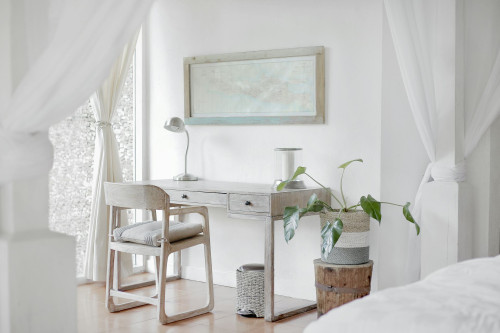
In a busy life, it’s easy to forget the importance of rest. But downtime is essential for focus and energy. Create a spot in your home where you can unwind—a corner with a soft chair, gentle lighting, and maybe a plant or cozy blanket. It doesn’t have to be large, but it should signal calm.
If you work from home, make sure your workspace can be separated—physically or mentally—from the rest of your living area. That separation helps you switch off when the workday ends.
Use Color and Materials Intentionally
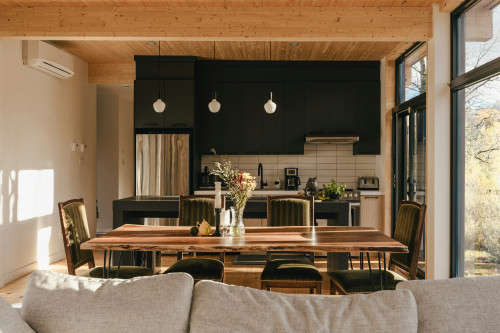
Colors and materials influence how we feel. Blues and greens tend to calm the mind, while warm tones like yellow and orange can energize a space. Natural materials such as wood, cotton, and wool create a sense of comfort and balance.
Think about how you want to feel in each room, and choose colors and textures that support that mood. A bedroom might call for soft, muted tones, while a kitchen can handle more vibrancy and warmth.
Keep Changes Realistic
It’s tempting to want to change everything at once, but lasting results come from small, steady steps. Start with one room or one habit at a time. As you notice the benefits, you’ll be motivated to keep going.
Remember, home design isn’t just about aesthetics—it’s about creating an environment that makes your daily life easier and more meaningful. A home that supports your habits is a home where you can truly thrive.
Læs også: