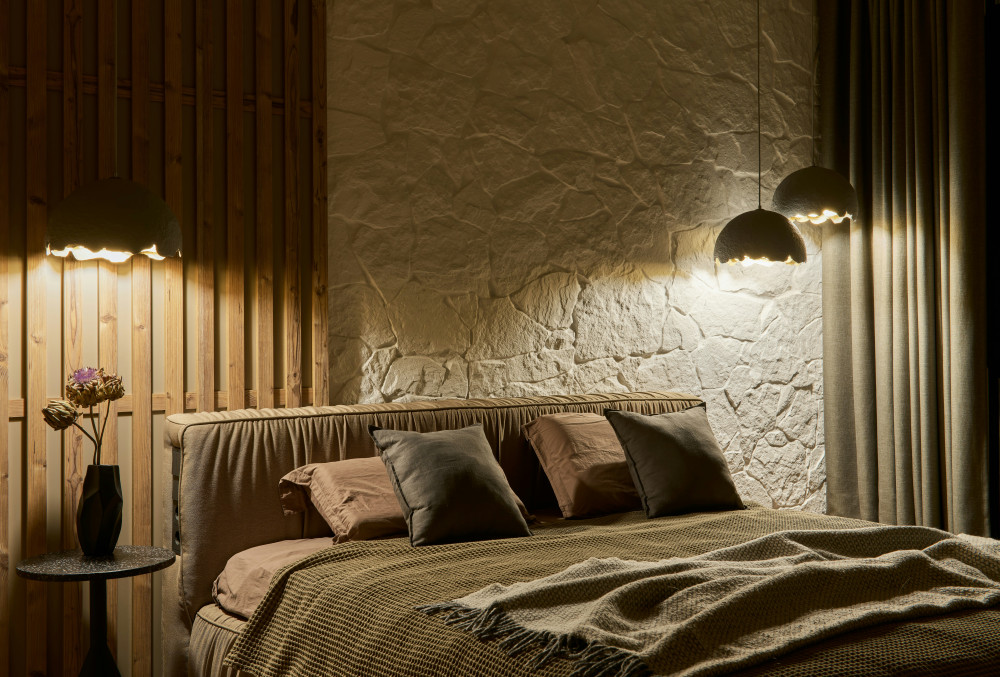
Comfort in Textures – Materials That Create a Sense of Presence at Home

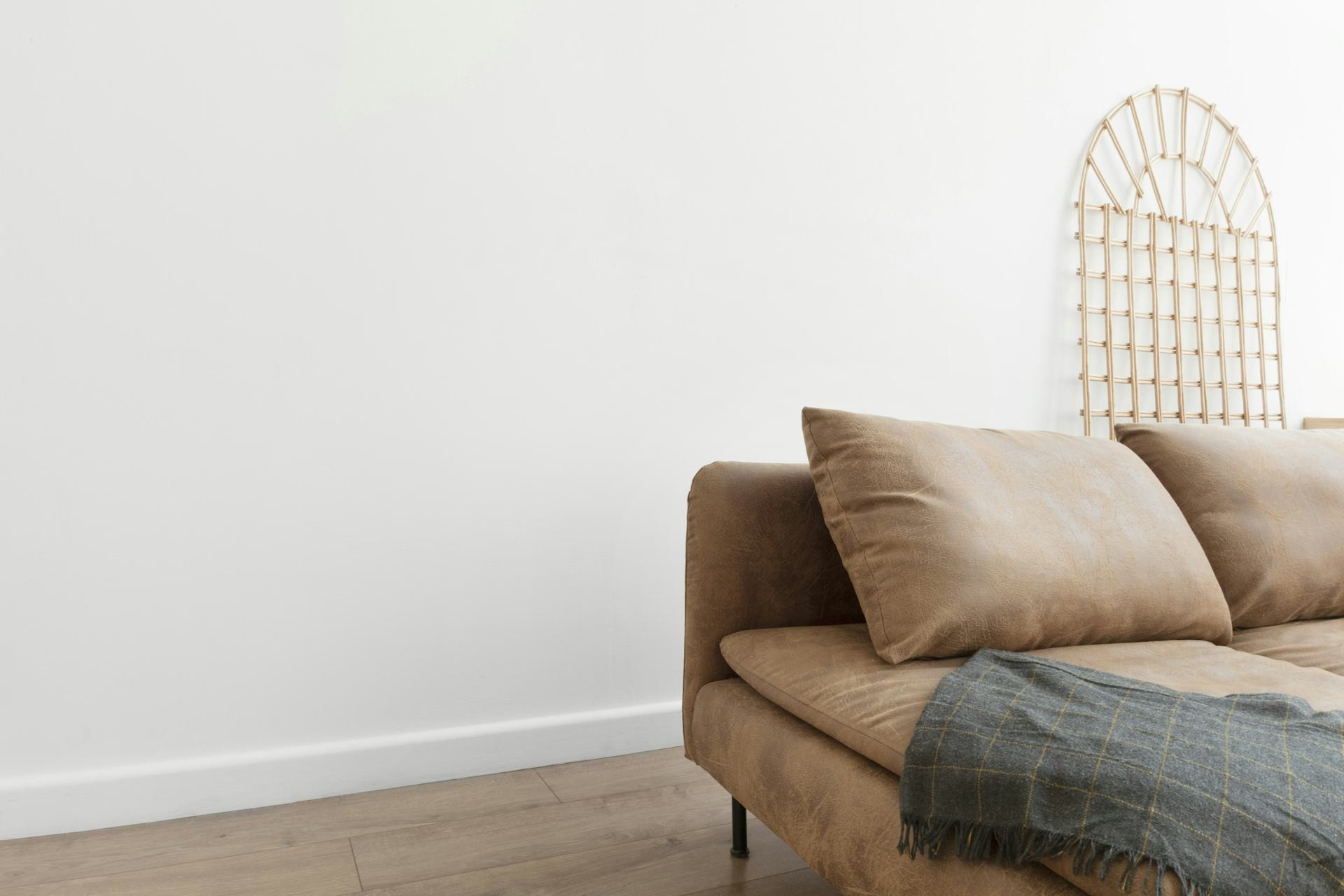
Comfort in Textures – Materials That Create a Sense of Presence at Home
When we step into a room, we don’t just see it – we feel it. The surfaces, fabrics, and materials around us shape how we experience a space. They can make it feel warm or cool, calm or energetic. In a time when many Americans are seeking comfort and mindfulness at home, texture plays a quiet but powerful role. Here’s how thoughtful material choices can help you create a home that feels grounded, welcoming, and alive.
The Sensory Side of Home
A comfortable home isn’t only about color palettes or furniture placement – it’s about how materials speak to our senses. Soft fabrics, natural finishes, and tactile surfaces can bring a sense of calm and connection, while sleek, cold materials often feel more formal and distant.
When decorating, think in terms of balance and contrast. A room filled with hard surfaces – glass, metal, or stone – can be softened with textiles, wood, and greenery. The goal isn’t to fill the space, but to create a sensory harmony where both the eye and the body can relax.
Læs også:
Natural Materials That Bring Warmth
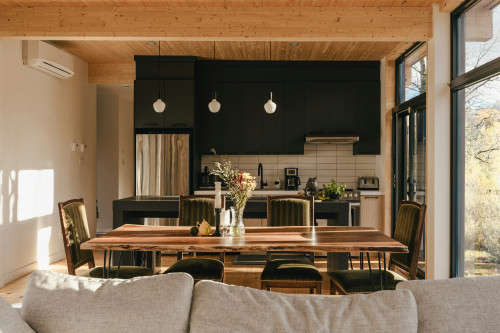
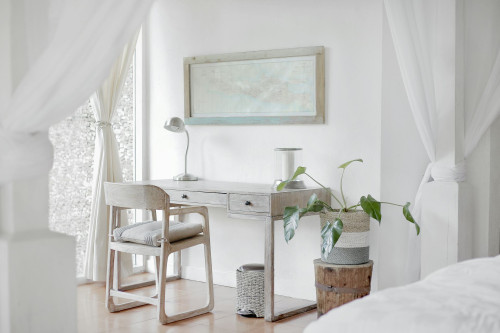
Wood, wool, linen, and clay are timeless materials that bring nature’s quiet presence indoors. They age beautifully, change with the light, and carry a sense of authenticity.
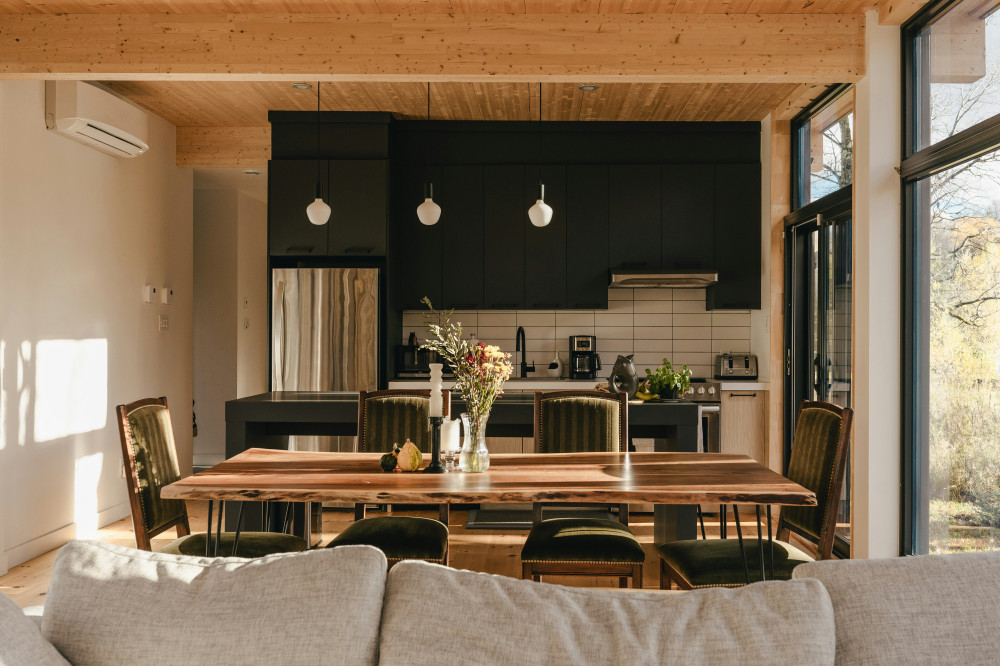
- Wood adds warmth and texture. A natural oak dining table or maple shelving can make a space feel grounded and organic.
- Wool is soft yet durable – ideal for rugs, throws, and cushions that invite touch and comfort.
- Linen has a breezy, relaxed texture that works beautifully for curtains or bedding, giving rooms a lived-in, effortless feel.
- Clay and ceramics introduce a handmade quality. Subtle variations in glaze or shape remind us of the human touch behind each piece.
These materials share a common trait: they feel real. That sense of authenticity helps create emotional comfort and a deeper connection to the space.
Textiles That Invite Connection
Textiles are one of the easiest ways to shift the mood of a room. They soften acoustics, add warmth, and make spaces feel more intimate.
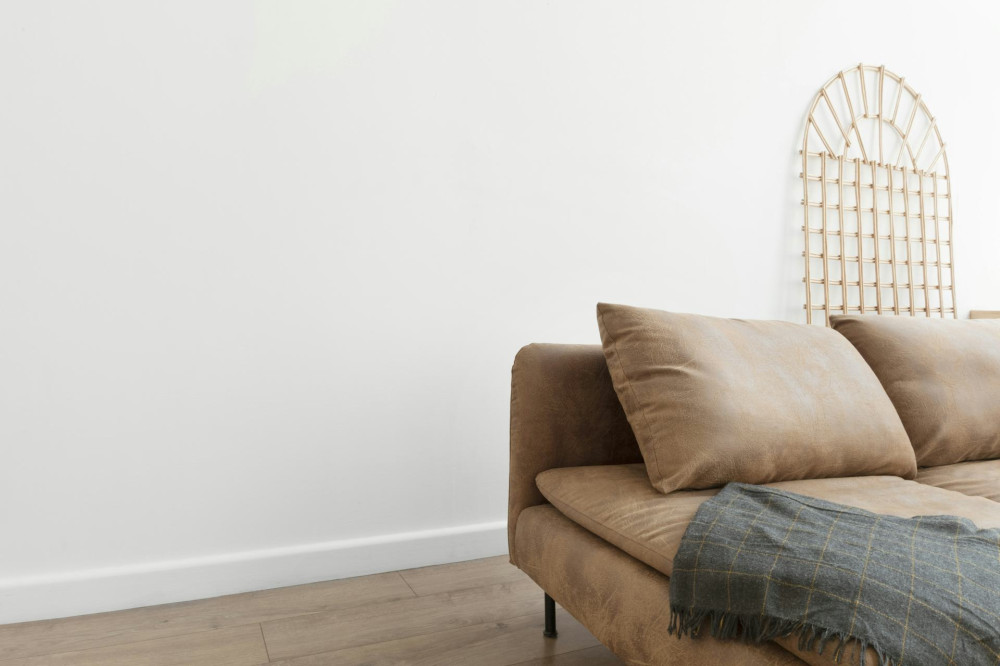
Try layering different textures – a chunky wool throw paired with a smooth cotton pillow, or a thick rug over hardwood floors. This interplay of surfaces adds depth and sensory richness.
Color also matters. Neutrals like sand, taupe, and soft gray create calm, while deeper tones such as forest green, rust, or terracotta bring a sense of cozy enclosure – perfect for colder months or evening light.
The Beauty of Imperfection
In a culture that often celebrates perfection and polish, it can be refreshing to embrace the imperfect. A handmade mug, a vintage table with scratches, or a woven basket with slight irregularities all tell stories. They remind us that beauty can be found in the human and the imperfect.
This idea, inspired by the Japanese philosophy of wabi-sabi, encourages us to find peace in simplicity and impermanence. When we surround ourselves with materials that show life and touch, our homes feel more personal – and more comforting.
Balancing Soft and Hard Elements
A harmonious home blends contrast and cohesion. Too many soft materials can make a room feel heavy, while too many hard surfaces can feel cold.
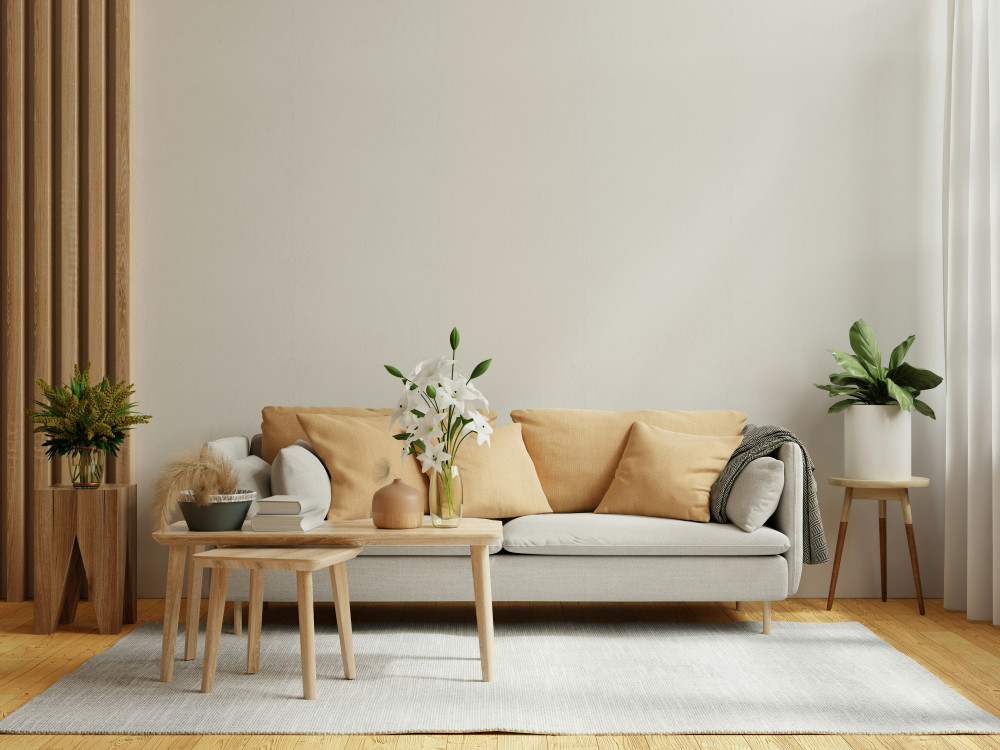
Think in layers: a wooden floor with a textured rug, a sofa with pillows in varied fabrics, a coffee table topped with a rough ceramic vase. These combinations create visual and tactile balance without clutter.
Lighting also plays a key role. Warm, diffused light enhances texture and makes materials come alive. Lamps with fabric or paper shades, or fixtures made from natural fibers, can soften the glow and make a room feel more inviting.
A Home That Feels Like You
Ultimately, creating comfort at home is about creating a space that feels like yours – not because it’s perfect, but because it reflects who you are. When choosing materials, pay attention to how they make you feel. What textures calm you? What surfaces invite you to reach out and touch them?
A home with presence doesn’t have to be large or new. It’s a place where your senses are engaged, where materials tell stories, and where warmth and humanity are woven into every surface.
Læs også: