Fit and Movement: Why the Cut Matters So Much


Fit and Movement: Why the Cut Matters So Much
When we choose clothes, it’s rarely just about color or fabric. The cut — the way a garment is shaped and constructed — plays a crucial role in how it feels, how it moves with us, and how confident we feel wearing it. A well-cut piece can flatter the body, allow freedom of movement, and make everyday life more comfortable. A poor cut, on the other hand, can make even the most luxurious fabric feel wrong. But why does the cut matter so much, and how can you find the one that fits you best?
The Cut as the Architecture of Clothing
Think of the cut as the architecture of a garment — it determines how the fabric drapes and how it follows the body’s lines. A pair of pants with a thoughtful cut takes into account the curve of the hips, the length of the legs, and the way the knees and hips move. A well-designed shirt allows room for the shoulders without bunching at the waist.
Designers use the cut to balance aesthetics and function. A straight, classic cut can create a clean, timeless look, while a more fitted cut highlights shape and movement. It’s not just about fashion; it’s about creating clothes that work with your body, not against it.
Læs også:


Fit and Freedom of Movement
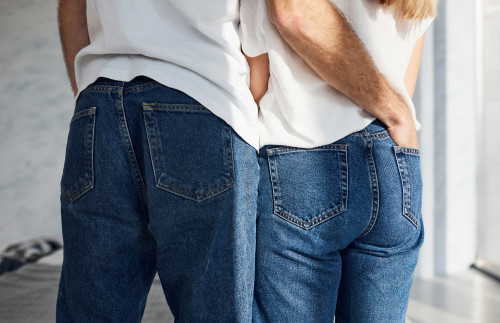
A good cut should not only look good but also allow you to move freely. This is especially true for pants and activewear, where too much or too little fabric can make a big difference. A cut that’s too tight around the thighs can restrict movement, while one that’s too loose can slip or fold awkwardly.
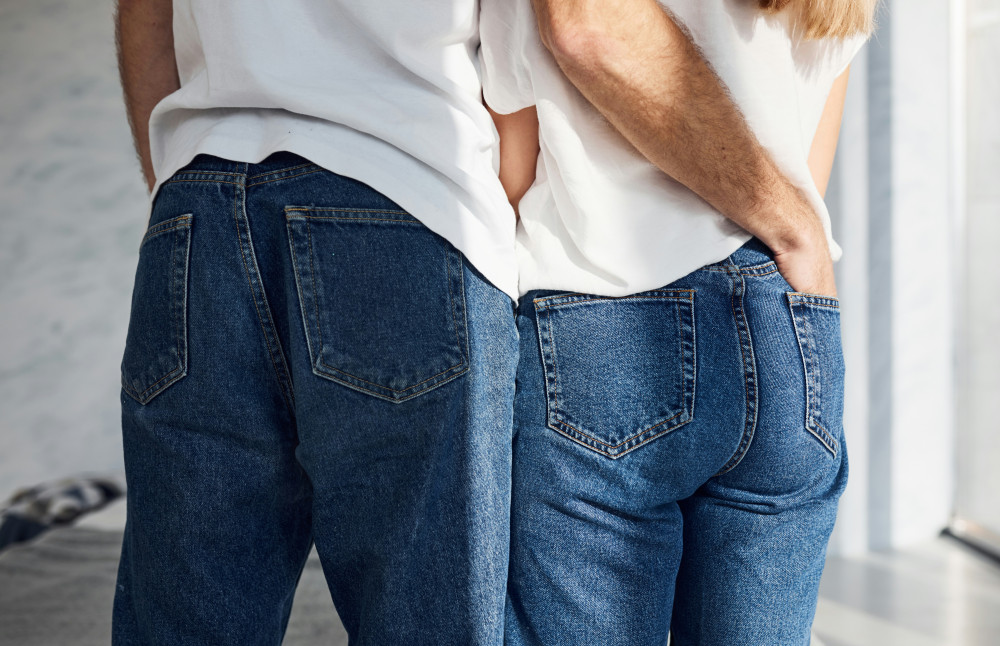
That’s why many American brands now focus on small adjustments — a slightly higher rise, a curved side seam, or added stretch panels — to ensure that clothing moves naturally with the body. These subtle details often make the difference between a pair of jeans you love to wear and one that stays in the back of your closet.
Cuts and Body Shapes
No two bodies are the same, and there’s no single cut that fits everyone. Some people have longer legs and narrower hips; others have shorter legs or curvier shapes. A good cut takes proportions and balance into account. For example, a high-rise cut can visually lengthen the legs, while a mid-rise or relaxed cut can create a more casual, easygoing look.
It’s not about hiding your body but about highlighting what feels natural and comfortable. When clothes fit well, you move more freely — and that freedom shows. A great fit boosts confidence because you’re not constantly adjusting or worrying about how your clothes sit.
Fabric and Cut Go Hand in Hand
Even the best cut only works if the fabric supports it. A heavy wool needs a different cut than a lightweight cotton or a stretchy knit. Stretch fabrics can offer more flexibility, while stiffer materials require precision in tailoring. That’s why designers often test a cut in several fabrics before finalizing a design.
For shoppers, this means thinking about both cut and fabric when trying on clothes. A pair of jeans with a bit of elastane will feel completely different from one made of rigid denim — even if the cut looks identical on paper.
How to Find Your Ideal Cut
Finding the cut that suits you best takes a little patience, but it’s worth it. Here are a few tips:
- Try different styles. Small variations in rise, width, or length can change the entire look and feel.
- Move around. Sit, walk, lift your arms — notice how the garment moves with you.
- Check proportions. A cut that balances your upper and lower body creates a harmonious silhouette.
- Pay attention to seams and details. They often reveal how carefully the garment was designed.
Once you’ve found a cut that fits your body and your lifestyle, shopping becomes easier. You’ll know what works — and why.
The Cut as Everyday Comfort
In the end, fit and cut aren’t just about style; they’re about well-being. Clothes that fit properly make it easier to focus on your day, move comfortably, and feel at ease in your own skin. It’s a quiet kind of luxury — one you can feel, even if no one else notices.
A good cut isn’t just a technical detail; it’s an investment in everyday comfort and confidence. When your clothes fit right, life simply feels easier to move through.
Læs også: