Get Your Pants Tailored – When the Fit Isn’t Quite Right

Get Your Pants Tailored – When the Fit Isn’t Quite Right
A great pair of pants can look perfect on the rack, but if they don’t fit you properly, they’ll never become a favorite in your closet. Fit is everything — it affects both comfort and appearance. The good news is that poorly fitting pants don’t have to be a lost cause. With a few simple alterations, most pairs can be adjusted to fit your body just right. Here’s a guide to help you understand when and how to get your pants tailored.
Why Fit Matters So Much
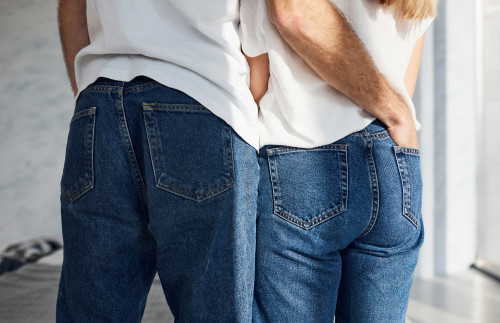
Pants are one of the most worn items in any wardrobe, so you’ll notice quickly if they don’t fit well. Pants that are too tight can feel restrictive and uncomfortable, while those that are too loose can look sloppy and slide down. A good fit isn’t just about size — proportions matter too. Waist height, inseam length, hip width, and rise all play a role in how pants sit on your body.
When your pants fit properly, they flatter your shape naturally and give you a more polished look. That’s why it’s worth investing a little time — and sometimes a little money — to get them tailored.
Common Fit Problems and How to Fix Them
Even pants in your usual size may need small adjustments. Here are some of the most common fit issues and how a tailor can fix them:
- Pants that are too long: A classic problem, especially with off-the-rack sizes. A tailor can easily hem the legs so the length works with your shoes and height.
- Waist too loose: If your pants keep slipping down, the waistband can be taken in at the back. It’s a quick fix that makes a big difference in comfort.
- Too tight around the hips: If there’s enough seam allowance, a tailor can let out the sides slightly for a better fit.
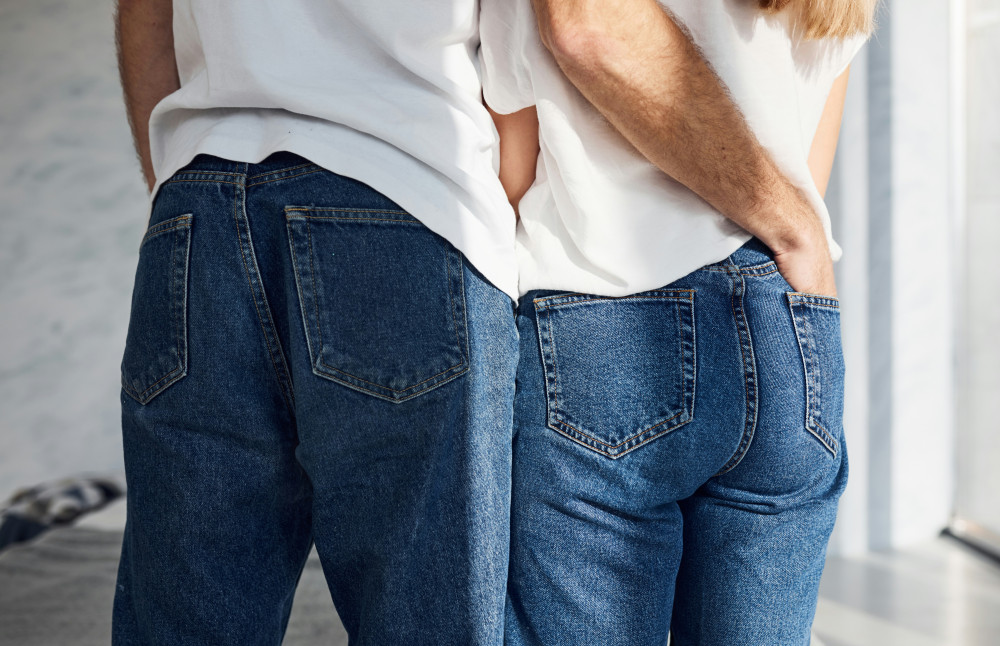
- Wrinkles or sagging in the seat: This often means the rise isn’t quite right. A tailor can adjust the seam so the fabric drapes smoothly.
- Twisting pant legs: Sometimes the legs are cut slightly off-grain. A skilled tailor can correct this, though it’s a more advanced adjustment.
Small changes can make a big difference — and they’re often cheaper than buying a new pair.
When It’s Worth Getting Help
Not every pair of pants is worth tailoring. Inexpensive styles made from thin or low-quality fabric may lose their shape after a few washes, making alterations a poor investment. On the other hand, if you’ve bought a well-made pair that you plan to wear for years, tailoring is absolutely worth it.
As a rule of thumb: the better the fabric and construction, the more sense it makes to have them adjusted. Classic dress pants, sturdy denim jeans, or quality cotton chinos can last for years if they fit perfectly.
How to Find a Good Tailor
A skilled tailor can make the difference between “almost right” and “just right.” Ask friends or coworkers for recommendations, or check online reviews in your area. Many dry cleaners offer basic alterations, but for more complex adjustments, it’s best to go to a professional tailor.
When you bring your pants in, wear them and show exactly what you’d like changed. A good tailor will give honest feedback about what’s possible and what isn’t. It’s better to get a realistic opinion than a disappointing result.
Læs også:


DIY Adjustments – If You’re Up for It
If you have a sewing machine and some patience, you can handle a few simple fixes yourself. Hemming pants is one of the easiest alterations to learn. There are plenty of tutorials online, and it only requires basic sewing skills.
However, more advanced changes — like taking in the waist or adjusting the rise — are best left to professionals. These require precision, and mistakes can be hard to undo.
An Investment in Comfort and Style
Getting your pants tailored isn’t just about how they look — it’s about how they feel. When your clothes fit properly, you move more naturally and feel more confident. That comfort and confidence show in your everyday life.
In a world where most clothing is made in standard sizes, a few small alterations can be the difference between “good enough” and “perfect.” And the best part? You’ll extend the life of your clothes — a win for both your wardrobe and the planet.
Læs også: