Flexible Materials – The Key to Better-Fitting Pants


Flexible Materials – The Key to Better-Fitting Pants
Pants are a staple in nearly every American wardrobe, but finding a pair that fits just right can feel like a never-ending quest. Too tight at the waist, too loose at the knees, or too stiff in the fabric—most of us know the struggle. Fortunately, advances in flexible materials have transformed the way we think about fit. Today, it’s not just about size and cut, but also about how the fabric moves with your body.
From Rigid Fabrics to Stretch and Comfort
In the past, pants were typically made from rigid materials like cotton, denim, or wool, which offered structure but limited movement. While these fabrics created a polished look, they often sacrificed comfort. The introduction of elastic fibers such as spandex (also known as elastane or Lycra) changed everything. These fibers allow fabrics to stretch and recover, giving pants the ability to move with you while maintaining their shape.
Now, nearly every style of pants—from jeans and chinos to dress slacks and leggings—includes some degree of stretch. This innovation means you can enjoy a closer, more flattering fit without feeling restricted.
The Technology Behind Flexibility
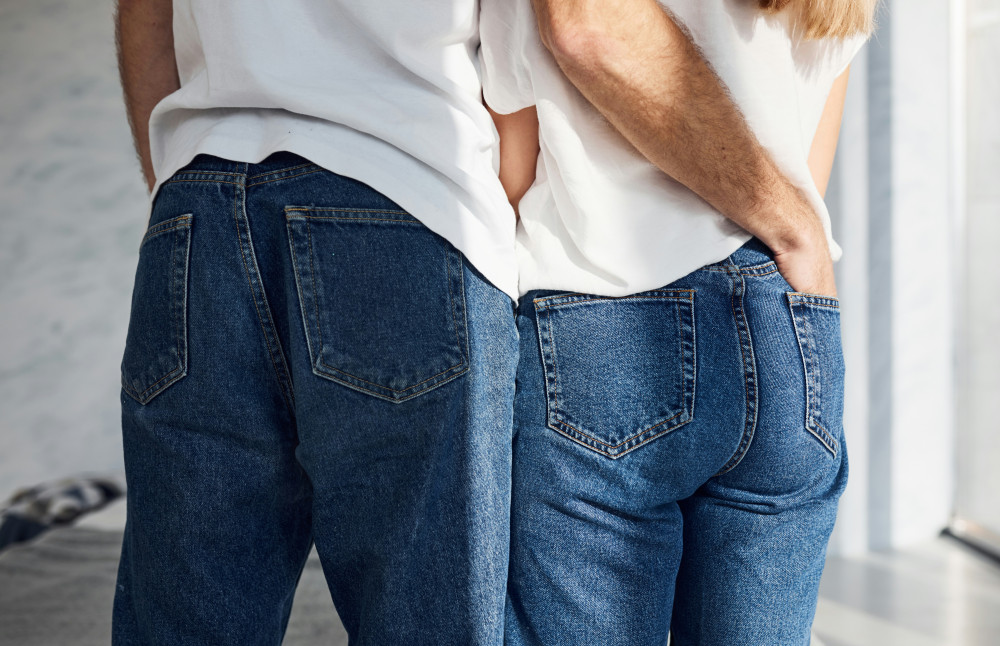
Flexible fabrics are created by blending natural and synthetic fibers. A typical pair of stretch jeans, for example, might be made of 98% cotton and 2% spandex. That small percentage makes a big difference in comfort and mobility.
Some brands go even further, using advanced weaving techniques that allow the fabric to stretch in multiple directions—known as “4-way stretch.” This technology provides a more natural range of motion, especially useful for people who spend long hours sitting, commuting, or working on the go.
Textile researchers are also developing new fibers that combine flexibility with breathability and durability. The result: pants that not only feel great but also hold their shape after repeated wear and washing.
A Fit That Adapts to Your Body
One of the biggest advantages of flexible materials is their ability to adapt to different body shapes and movements. This makes it easier to find pants that fit well, even if you fall between standard sizes or have a body type that doesn’t match traditional measurements.
Elastic waistbands, for instance, can provide a more comfortable fit around the midsection, while stretch in the thighs and knees allows for easier movement when sitting, walking, or bending. For people who wear pants all day—whether at the office, on the road, or running errands—this flexibility can make a noticeable difference in comfort.
Balancing Style and Function
Flexible materials haven’t just improved comfort—they’ve also expanded what’s possible in fashion design. Once associated mainly with athletic wear, stretch fabrics are now used in everything from business attire to casual styles.
Stretch dress pants, performance chinos, and jeans with hidden elastic panels have become popular choices for those who want a polished look without sacrificing ease of movement. This shift shows that flexibility is no longer just about sportswear—it’s about everyday lifestyle.
Sustainability and the Future of Textiles
While synthetic fibers like spandex have revolutionized fit, they also raise environmental concerns. Many apparel companies are now exploring more sustainable options, such as recycled spandex or bio-based fibers that can break down naturally.
At the same time, textile innovators are experimenting with new weaving methods and natural materials that can provide stretch without relying on plastic-based fibers. The future of pants may therefore combine flexibility, comfort, and eco-friendliness in one smart design.
Læs også:


The Perfect Fit – A Partnership Between Design and Material
Finding pants that fit well today is about more than just choosing the right size. It’s about selecting fabrics that work with your body, not against it. Flexible materials make it possible to blend style, comfort, and performance—and that’s why they’ve become the key to pants that feel as good as they look.
Læs også: